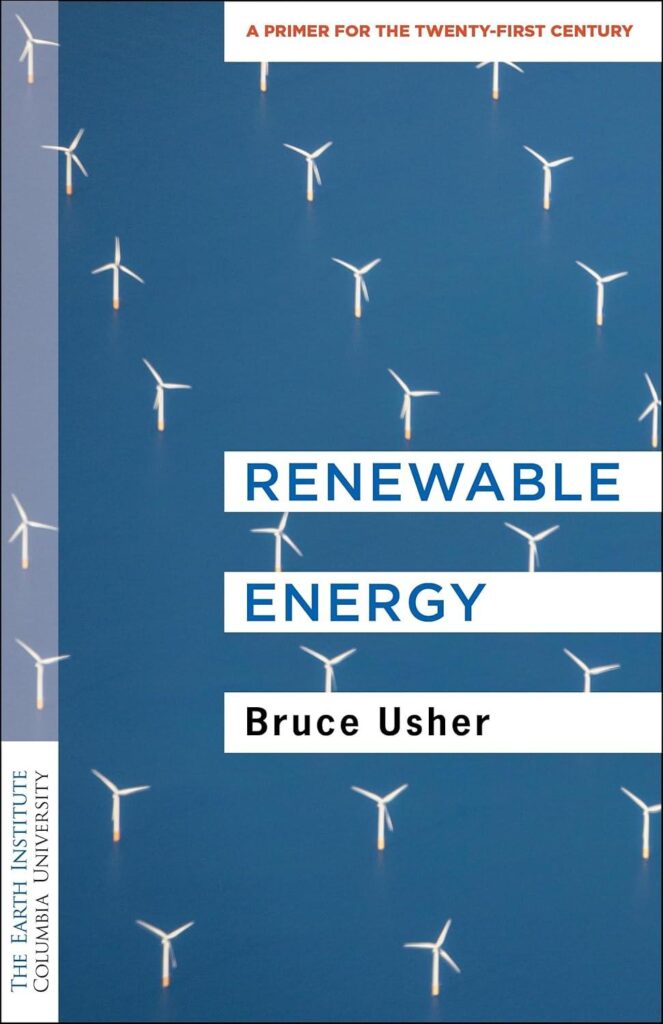
In an age where conversations around energy consumption and sustainability have become ever more pressing, we find ourselves at a crossroads-one where our choices today will define the world of tomorrow. Many of us may sense that the winds of change are blowing towards renewable sources of energy, but how well do we truly understand the forces at play in this crucial transition? Enter “Renewable Energy: A Primer for the Twenty-First Century,” authored by Bruce Usher. This illuminating guide seeks to demystify the complexities of our shifting energy landscape, presenting a thorough overview that resonates with readers, whether they are industry veterans or curious newcomers.As we dive into this book, we will explore the author’s clear-eyed analysis of the rise of wind and solar technologies against the backdrop of the declining reliance on fossil fuels. Usher’s ability to distill intricate economic principles and environmental imperatives into digestible and engaging content gives us the tools we need to navigate the path forward. From understanding the implications of electric vehicle adoption to grasping the drastic environmental stakes involved, this primer not only sheds light on the “how” but also the “why” of the renewable revolution.
Join us as we delve into the pages of this timely publication, discussing its strengths, insights, and the critically important narrative it weaves about our energy future. Together, we can unravel the myriad opportunities and challenges that lie ahead, arm ourselves with knowledge, and partake in the urgency of creating a sustainable world.
Table of Contents
Overview of Our Journey into Renewable Energy

as we embark on our journey into renewable energy, we find ourselves in an era where the transition from fossil fuels to sustainable sources is not just a possibility, but a reality unfolding before our very eyes. With climate change being one of the most significant challenges we face today, understanding renewable energy through resources like the book “Renewable Energy: A Primer for the Twenty-First Century” becomes crucial. This primer serves as an insightful guide for anyone curious about how renewable energy will reshape our world, making it an essential read for those looking to grasp the rapidly evolving landscape of energy.
The beauty of this primer lies in its straightforward narrative; the author, Bruce Usher, leads us through the intricacies of renewable energy, specifically highlighting the exponential growth of wind and solar power. We appreciate his approach as it breaks down complex concepts into digestible information that anyone can understand, irrespective of their prior knowledge. As we navigate through the past context of energy transitions, from wood to coal and now to renewable sources, we can grasp the implications of these changes on industries, economies, and our planet.
This book doesn’t just highlight the challenges but also paints a picture of a promising future. we relate to the excitement presented in the chapters that delve into electric vehicles and their role in the energy transition. The real-world applications and discussions around the financial aspects make us think critically about the energy sector. It’s empowering to realize that the shift toward renewables isn’t merely about technology; it’s also about making informed choices as businesses and individuals.
our journey into understanding renewable energy through this primer has been eye-opening. It emphasizes how necessary it is for all of us to be informed as we face a climate crisis. It encourages us to engage with the challenges and opportunities that lie ahead, motivating action and fostering awareness of how we can collectively contribute to a more sustainable future. With each page, it becomes clear that there’s no time to lose in embracing renewable energy’s promise-it’s a call to action we can all respond to.
Exploring the Essential Features of the Primer
As we dive into the essential features of this primer, it’s clear that it addresses a topic of critical importance: the transition to renewable energy. this book is not just a collection of facts but rather a carefully crafted narrative that guides us through the complexities of renewable energy’s rise. From wind to solar, the book highlights the rapid changes in energy sources and why understanding these shifts is vital for our future. The author,Bruce Usher,manages to break down complex topics into digestible parts,making it accessible for everyone. Whether we’re seasoned professionals or novices, this primer has something for each of us.
The straightforward style of the book keeps us engaged, illustrated with easy-to-understand visual aids that complement the text perfectly.Usher emphasizes the economic forces making renewables a tremendous opportunity for businesses and industries across the globe. We can see how governments and organizations that act proactively are positioned to benefit, while those that lag risk falling behind. the illustrations underscore the strengths and weaknesses of various renewable energy sources, which are crucial for building a solid understanding of where we are headed.
Moreover, the book doesn’t shy away from addressing the harsher realities of climate change, presenting an urgent call to action. Usher’s insights urge us to consider the potential winners and losers in this global energy transition. It’s a well-rounded exploration that takes into account history, current trends, and future possibilities. For those of us genuinely interested in understanding how renewable energy impacts our world, this primer serves as an essential starting point.
With its well-thought-out analysis of the past energy transformations, it equips us with a better grasp of what lies ahead. From historical contexts to contemporary implications, Usher addresses this landscape engagingly and informatively. We can feel confident recommending this as a foundation for anyone eager to learn about the future of energy-as, as we’ve seen throughout the book, understanding is the key to progress.
The Primer not only educates but also inspires a sense of urgency. In a time when climate change demands our attention, this book is a wonderful catalyst for sparking conversations and motivating action. Let’s embrace the wealth of knowledge it provides and support each other in our journey toward a more sustainable future.
Unpacking the Key Insights from the Text
As we dive deeper into “Renewable Energy: A Primer for the Twenty-First Century,” one of the standout features is its ability to communicate complex ideas in a straightforward and engaging manner. The author, Bruce Usher, does an excellent job of distilling essential information about renewable energy sources while examining the historical context of our energy consumption. This clear narrative makes the book a breeze to read, even for those who might not have a background in energy or environmental science.
Throughout the book, Usher outlines the transition from customary energy sources like coal and oil to renewables such as solar and wind power. He highlights the rapid advancements in technology that make these alternatives more viable each year.This perspective is crucial, as it sets the stage for us to understand the implications of our current energy choices. With engaging visuals and easy-to-understand language, we feel empowered to grasp the importance of this energy change and its impact on our lives and the planet.
The insights into the interplay between electric vehicles and renewable energy are particularly captivating. As the author argues,the growth of electric vehicles is directly tied to advancements in renewable energy. This relationship indicates a future where fossil fuels may become less necessary for transportation, ultimately leading to a significant decrease in global carbon emissions. Usher’s analysis is an essential piece of the puzzle,enabling us to grasp how interconnected these energy transitions are. It prompts us to think critically about our own choices as consumers and the wider implications for society.
An overarching theme is the urgency of this transition. Usher emphasizes that delaying the switch to renewable energy sources could have dire consequences for our habitat. We appreciate how he makes a compelling case that caring for our planet is not just an ethical choice-it’s a practical necessity for our survival. The challenges faced by governments and businesses in this transition are real, but the opportunities to innovate and lead in renewable energy are close at hand. This book resonates with us, igniting a sense of responsibility and motivation to be part of the solution.
In essence, “Renewable Energy: A Primer for the Twenty-First Century” serves as an essential guide for anyone looking to navigate the complexities of the energy landscape. Usher’s engaging storytelling style and knack for making intricate details digestible leave us feeling better informed and ready to make informed choices. Let’s all embrace the insights provided in this book and actively participate in shaping a more sustainable future.
Navigating Challenges and Opportunities in Sustainability
as we move towards an era increasingly dominated by renewable energy, our understanding of the challenges and opportunities within this transition becomes vital. The book we’ve explored provides a comprehensive overview of the factors shaping the renewable energy landscape. It delves into how wind and solar energy have emerged as affordable alternatives to fossil fuels. We can appreciate the author’s insight into how this shift not only affects our environment but also reshapes industries and economies globally. This primer is undeniably a critical resource for anyone interested in the future of energy.
A key strength of the book is its accessibility. It breaks down complex ideas in a way that resonates with readers from various backgrounds. The straightforward language and clear visual aids help demystify the often intimidating world of renewable energy for both novices and seasoned professionals. We feel empowered as we read, gaining insights into how geothermal, wind, and solar technologies are not just dreams of the future-but essential elements of our current reality.The book highlights the urgent need for collective action against climate change, and we can’t help but feel inspired to be part of this transformative journey.
Moreover, the analysis of historic energy transitions provides us with a context that is both enlightening and cautionary. We see how past shifts-like moving from biofuels to coal, and then to oil and gas-inform our current approach to renewables. The author points out that today, we stand at a crucial tipping point.those who embrace the renewable energy revolution will likely emerge as leaders, while those resistant to change may find themselves left behind. This perspective not only encourages us to consider the environmental implications of our choices but also urges us to recognize the potential economic advantages associated with proactive investment in renewable technologies.
Ultimately, this primer serves not only as a guide but as a clarion call for us all. It articulates the pressing nature of the challenges we face and outlines the significant opportunities that arise from embracing sustainable practices.By understanding the intersection of energy transformation and climate action, we position ourselves to navigate the hurdles ahead while contributing to a sustainable future. This sense of agency is crucial as we collectively strive for a better world.
Our Recommendations for Making the Most of This Resource
When diving into renewable energy, it’s critically important to embrace the right resources. Our advice for making the most of this resource is to fully engage with the text and the concepts it presents. “Renewable Energy: A Primer for the Twenty-first century” offers clarity on how our energy landscape is transforming. We should take the time to absorb the historical context that the author, Bruce Usher, provides. Understanding the evolution of energy from fossil fuels to renewables helps us grasp the implications of our current choices. Thus,reading between the lines and reflecting on each chapter will empower us with knowledge,making this complex topic more digestible and relevant.
We also suggest discussing the content with others after reading. Sharing insights and interpretations can deepen our understanding. Whether in a formal setting, like a study group, or informally over coffee, exchanging thoughts can illuminate perspectives we might not have considered. engaging in dialog surrounding renewable energy trends mentioned in the book can inspire proactive thinking and encourage us to consider what steps we can take in our own lives or businesses. This resource becomes more than just a book-it transforms into a vehicle for conversation and collaboration.
Taking notes as we read is another strategy that can enhance our experience. By jotting down key ideas or questions, we create a personalized reference guide that we can return to later. This practice not only aids retention but allows us to cultivate our viewpoints on everything from solar energy advancements to the rise of electric vehicles. As we move through the chapters, we can highlight critical points and reflect on how they may apply to our personal or professional landscapes.
Lastly,combining this reading with supplementary materials like documentaries or online courses can further enrich our learning journey. There are countless resources available that align with the themes presented in Usher’s work. By diversifying our learning methods, we not only bolster our understanding but also keep our engagement high. Not everything can be grasped in a single reading-experiencing the practical applications through additional formats can consolidate our knowledge. these strategies will help us maximize our understanding and encourage us to become advocates for change in the realm of renewable energy.
Customer Reviews Analysis
Customer Reviews Analysis
As we delve into the customer reviews of Renewable energy: A Primer for the Twenty-First Century,it’s clear that this book resonates with a wide audience while igniting thoughtful discussions around renewable energy. The reviews paint a vivid picture of how readers from various backgrounds have engaged with Professor Usher’s insights. Below, we’ve summarized some of the key sentiments expressed by reviewers.
Highly Recommended for Diverse Audiences
One recurring theme in customer feedback is the book’s accessibility and appeal to a broad spectrum of readers. From industry professionals to casual readers looking to understand the energy landscape, the book has garnered praise for its ability to simplify complex concepts.
| Reviewer Type | Key Sentiment |
|---|---|
| General Reader | Enjoyed the engaging narrative and gained valuable insights. |
| Industry Professional | Appreciated the comprehensive overview and practical insights. |
| Renewable Energy Novice | Found it easy to understand and informative. |
Compelling insights and Current Relevance
Readers have remarked on the book’s thorough analysis and the timely relevance of its content, especially given the urgent climate issues we face today. Many reviews highlight the author’s effective use of historical context to frame current developments in renewable energy and its future trajectory.
| Key Topics | Customer Feedback |
|---|---|
| Historical Analysis | Helps in understanding energy transitions over time. |
| Future Perspectives | provides a hopeful glimpse into renewable energy advancements. |
| Technical Insights | informative for both novices and seasoned experts. |
A Transformative Reading Experience
Numerous reviewers highlight the engaging writing style that makes even the most daunting topics digestible. Many agree that it should be mandatory reading for anyone interested in our global energy future.One reviewer mentioned they would rate the book with six stars if possible, emphasizing the profound impact it had on their understanding of renewable energy.
Constructive Criticism
While the majority of feedback is overwhelmingly positive, there are a few critiques to address. Some readers felt that the book did not present new information but rather reaffirmed existing knowledge about renewable energy transitions and challenges. However, this sentiment is often countered by the overall clarity and effective communication of key themes, which notably reduces information overload for many readers.
the collective feedback paints a picture of renewable Energy: A Primer for the Twenty-First Century as a crucial read that effectively balances depth and accessibility.Whether you’re an industry veteran or simply curious about renewable energy, this book seems to be a gateway to understanding a pivotal aspect of our future.
Pros & Cons
Pros & Cons
Pros
- Comprehensive Overview: The book provides an extensive yet accessible exploration of renewable energy, framed within the context of our modern energy transition.
- engaging Visual Aids: The inclusion of visual aids helps to clarify complex concepts, making it easier for readers of all levels to grasp the content.
- Economic Insights: Bruce Usher delves into the economic forces at play, offering valuable insights into how businesses and governments can adapt to the shifting energy landscape.
- Timeliness: With the world facing urgent climate challenges, this book provides a timely examination of renewable energy’s role in combating climate change.
- Clear Writing style: The straightforward language makes the content approachable and engaging, which is especially beneficial for those new to the subject.
Cons
- Limited Depth: While the book is a great primer, some readers may find that it lacks the depth needed for advanced studies or in-depth analyses.
- Focus on mainstream Renewables: The discussion mainly focuses on dominant renewable sources like solar and wind, possibly overlooking other innovative energy solutions.
- Not Region-Specific: The global perspective may not address region-specific challenges faced by countries with different energy needs and policies.
Quick Comparison table
| Aspect | pros | Cons |
|---|---|---|
| Content Coverage | Broad and accessible | Lacks in-depth analysis |
| Visual Support | Helpful aids included | May not cover all details |
| Writing Style | Clear and engaging | May oversimplify complex issues |
| Timeliness | Very relevant to current events | global scope may not cater to all regions |
Q&A
Q&A Section: “”
Q1: Who is the intended audience for Renewable Energy: A Primer for the Twenty-First Century?
A: this book is designed for readers of all levels, making it a perfect choice whether you’re a student, a professional in the energy sector, or just someone curious about renewable energy. bruce Usher’s straightforward writing and visual aids make complex topics accessible to everyone.
Q2: What key topics does the book cover?
A: The book explores the extraordinary growth of renewable energy sources, especially wind and solar, the transition from fossil fuels, and the implications for industries and countries. It also examines the economic forces driving this shift and discusses the potential impacts of climate change,emphasizing the urgency of the energy transition.
Q3: how does Bruce Usher assess the strengths and weaknesses of renewable energy?
A: Usher provides a nuanced analysis based on business fundamentals, discussing how different countries and businesses can leverage or hinder their progress in adopting renewable energy. He illustrates the ‘winners’ and ‘losers’ in this transition, highlighting the benefits of forward-thinking strategies.
Q4: Is the content of the book backed by research?
A: Yes, Usher draws upon a wealth of data and case studies to support his insights. The book is rooted in economic analysis, which helps to reinforce his arguments regarding the financial viability and environmental necessity of transitioning to renewable sources.
Q5: What makes this book stand out from other renewable energy books?
A: We believe its combination of accessibility and depth sets it apart. Unlike some texts that may get bogged down in technical jargon, this primer distills complex information into understandable segments. The illustrations further aid comprehension, making it a practical guide for readers.
Q6: Are there any visuals included that help convey the concepts?
A: Absolutely! The book features easy-to-understand visual aids that complement the text. These visuals help to clarify key points and make complex information easier to digest.
Q7: How long is the book, and does it contain extensive detail?
A: The book spans 224 pages, striking a balance between being concise and comprehensive. It provides substantial information without overwhelming readers, making for a compact yet informative read.
Q8: What are the main takeaways we can expect from this primer?
A: Readers can expect to gain a clear understanding of the current renewable energy landscape, the economic implications of the shift away from fossil fuels, and the urgent necessity for action against climate change. Ultimately, Usher advocates that there is no time to lose in this transition, both economically and environmentally.
Q9: How do the readers rate this book?
A: The book boasts an impressive average rating of 4.6 out of 5 stars from over 227 customer reviews. This indicates that many readers have found it to be informative and engaging, supporting its status as a recommended resource in the field of renewable energy.
Q10: Where can we purchase Renewable Energy: A Primer for the Twenty-First Century?
A: The book is available through various retailers, including online platforms like Amazon and directly from publishers such as columbia University Press. It’s worth checking multiple sources for the best price.
we find that Renewable Energy: A Primer for the Twenty-First Century provides a solid foundation for understanding the future of energy. It’s an essential read for anyone looking to grasp the vital changes taking place in our energy systems today.
Embody excellence
As we wrap up our review of “Renewable Energy: A Primer for the Twenty-First Century,” it’s clear that this book serves as an essential guide for anyone wanting to understand the imminent energy transition.Bruce Usher deftly outlines the intricacies of renewable energy’s rise and the consequential shifts we all need to prepare for. With a blend of accessible language and insightful visuals, he equips us with the knowledge necessary to navigate a rapidly changing energy landscape.
Whether you’re a seasoned environmentalist or simply curious about the future of energy,this primer offers valuable insights that will empower us to engage with critical issues facing our world today. We encourage everyone to delve into its pages and arm themselves with the understanding that will shape our collective future.
So,if you’re ready to embrace the shift towards a greener,more sustainable future,we invite you to grab your copy of this enlightening book. Let’s take the first step together by exploring the powerful insights within “Renewable Energy: A Primer for the Twenty-First Century.”
Order your copy here and join the renewable energy revolution!