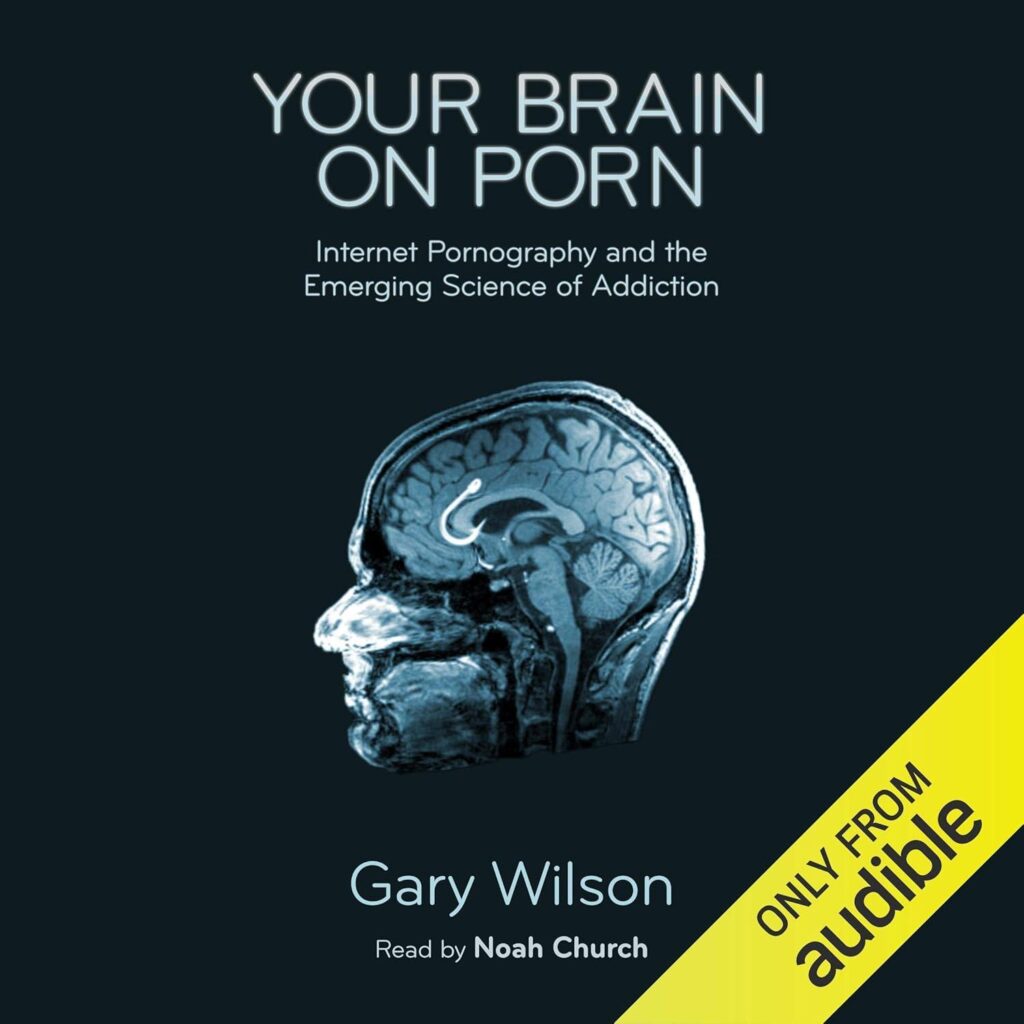
In a world where the click of a button can lead to an avalanche of explicit content, our relationship with pornography has undergone a seismic shift. As we navigated the digital age, many of us began to notice the subtle yet profound effects of internet porn on our daily lives and intimate relationships. It’s a theme that has resonated with countless individuals,sparking concerns over mental health,personal connections,and even physical well-being. Enter “Your Brain on Porn: Internet Pornography and the emerging Science of Addiction” by Gary Wilson-a compelling exploration that shines a light on these very issues.
Originally published in 2014 and revised in 2017, Wilson’s work serves as both a wake-up call and a guide for anyone grappling with the tenacious grip of internet porn. Drawing from the experiences of tens of thousands who embarked on the path of “rebooting,” wilson intertwines personal narratives with the latest findings in neuroscience to present a striking case for why we should reevaluate our habits surrounding porn consumption. In this blog post, we will delve into the insights Wilson offers, reflecting on our own experiences and observations while discussing the book’s importance in a society where addiction isn’t just recognized, but frequently enough overlooked.As we journey through the pages of “Your Brain on Porn,” we invite you to join us.Together, we will unpack the complexities of internet pornography, explore its potential pitfalls, and consider how understanding this phenomenon can lead to healthier relationships and a more fulfilling life offline. Whether you’re a casual browser, a concerned partner, or simply looking to expand your knowledge, this review aims to provide a thorough look at a critical subject that impacts us all. Let’s dive in.
Table of Contents
Overview of Our Exploration into Internet Pornography and Addiction

Our exploration into internet pornography and addiction starts with an eye-opening look at the consequences of consuming excessive pornographic content. “Your Brain on Porn” dives headfirst into this topic, shedding light on how the brain’s intricacies are affected by the ever-evolving landscape of online porn. We’ve come to recognize patterns that many users experience, from unexpected sexual dysfunction to emotional disconnection.
We’re not alone in our concerns; many readers have echoed similar sentiments after delving into this content. The book, through a compassionate lens, illustrates the struggles of those who find themselves entrapped by their habits. It walks us through compelling scientific insights, revealing how our brain’s reward system and our environment interact in ways that amplify the vulnerability to addiction. It’s interesting and alarming how something easily accessible can have such profound impacts on real-life intimacy.
This piece not only serves as a wake-up call for users but also aims to guide them toward recovery. With insights derived from personal narratives and scientific studies alike, it makes a solid case that addiction to internet pornography is a real and pressing issue. We appreciate how the narrative doesn’t just dwell on the problems but leads us toward actionable solutions.The journey from addiction to recovery is complex, but it’s reassuring to see the tangible benefits that many have experienced from re-establishing control over their consumption.
As we reflect on our relationship with pornography, it becomes evident that understanding the neuroscience behind addiction is crucial. “Your Brain on Porn” stands as a cornerstone in our exploration, prompting necessary discussions about a subject that many avoid yet is so vital to address. Whether beginners or those who are well-versed in the issues surrounding porn addiction, this book serves as a critical resource that opens our eyes to the far-reaching effects of our online habits.
Unpacking the Core Features of Your Brain on Porn
When diving into “Your Brain on Porn: Internet Pornography and the Emerging Science of Addiction,” we find ourselves exploring the intricate relationship between internet pornography and its effects on our minds and behaviors. This book opens our eyes to the unseen impact of porn, especially in an age where access has become almost effortless. The author, Gary Wilson, does an remarkable job of blending personal stories with scientific research. it’s through this informative lens that we understand the true cost of casual viewing and how it can lead to serious addiction. We can’t help but be intrigued by the promise of a clearer outlook on a subject that’s frequently enough shrouded in stigma.
One of the key features of this book is its ability to connect neuroscience with real-life experiences. We appreciate how Wilson outlines the brain’s reward system and how it reacts to pornography consumption.The book explains that, much like sugar, porn can create a cycle of craving and desensitization, leading many people into a challenging struggle with erectile dysfunction and intimacy issues. This candid exploration is vital, as it dismantles the myths surrounding porn use, showing us that it’s not merely a harmless indulgence but can be a pathway to deeper emotional and physical complications.
Wilson’s work isn’t just theoretical; it’s anchored in user experiences. Countless individuals share their stories of attempting to “reboot” their brains from the grips of porn addiction. Their testimonials serve not only as warnings but also as inspiration. The advice provided in the book is straightforward and pragmatic, equipping us with tools to reclaim our relationships with ourselves and others. Every story resonates, as we see reflections of our struggles with addiction, be it to substances, social media, or in this case, pornography.
Moreover, we find the tone of the book refreshingly non-judgmental. Wilson’s writng encourages understanding rather than condemnation, making us feel more open to explore uncomfortable topics. it’s clear he aims to educate, not to shame. For anyone who’s ever wondered about the effects of porn or battled their own addictions, this book is an invaluable resource. not only does it shed light on the neuroscience behind addiction, but it also offers a compassionate guide towards recovery.
Key Insights we Gained from the research Findings
After diving into Your Brain on Porn, we gleaned some profound insights into how internet pornography is reshaping our understanding of sexuality and addiction in the modern world. The common narrative that porn is merely an innocent outlet fails to account for the substantial evidence linking it to significant psychological and physiological issues. The text illustrates compellingly that many young men,once thought detached from the consequences of their viewing habits,show alarming signs of erectile dysfunction and intimacy issues. Such findings drive home the reality that pornography is not just a trivial subject; it’s rooted in deep-seated scientific and psychological frameworks that deserve our attention.
One of the moast enlightening parts of our exploration was the way the book ties individual experiences to scientific research. We saw firsthand accounts of those grappling with porn addiction and how their narratives align with neuroscientific findings. As a notable example, the discussion surrounding the brain’s reward system really stood out to us.It highlights how our brains are not evolutionarily equipped to handle the overwhelming stimuli presented by modern pornography, often exacerbating the desensitization process.The author meticulously unpacks the mechanisms behind these changes,providing readers with a clear understanding of why even casual users may find themselves ensnared in a web of dependency.
Moreover, the practical advice offered to combat these issues stems from real-life experiences of those who have attempted to “reboot” their brains away from pornographic stimuli. It’s not just an academic exercise; it’s a compassionate guide for anyone looking to escape the cycle of addiction and reclaim their mental wellness. This process touches on everything from community support to actionable steps that aid in healing.It’s encouraging to see that for many, change is possible, and the anecdotes shared in the book resonate with a sense of hope and affirm the human capacity for recovery.
Ultimately, the insights we gathered emphasize that Your Brain on Porn serves as more than just a book; it’s a crucial resource for understanding the implications of pornography in our lives. It pushes us to reconsider our relationship with sex, intimacy, and, importantly, how we can foster healthier interactions. This resource is not about shaming or moral judgments; rather, it’s about bringing awareness to a widely overlooked issue and offering pathways to healing in an increasingly digital world.
Navigating the Science Behind Addiction and Its Implications
We can’t help but delve into the powerful insights shared in “Your Brain on Porn: Internet Pornography and the Emerging Science of Addiction.” This book takes us on a thought-provoking journey into the brain and its response to internet pornography. It sheds light on a subject that many of us may find uncomfortable but is incredibly important in today’s digital age. Through a blend of personal stories and scientific research, the text reveals how porn can lead to various sexual dysfunctions and significant shifts in our brain’s reward system.
The first chapter lays a solid foundation that discusses erectile dysfunction as a growing issue among younger men, a problem that was once thought to only affect older generations. It highlights how the shame and silence surrounding this topic can hinder dialog, making it essential to acknowledge the impact porn can have on our daily lives and relationships. The statistics and personal accounts presented in this book are eye-opening, reinforcing the notion that this isn’t merely a moral dilemma but a genuine health crisis affecting many.
Moving through the chapters, we uncover the neuroscience behind addiction, illustrating how our brains react to constant stimulation. It becomes clear that porn can hijack our reward circuitry, leading to desensitization similar to that experienced with junk food.This analogy resonates with us because it underscores the power of our choices-what we feed our minds ultimately shapes our realities.The author’s narrative is accessible yet enlightening, making complex neuroscience readily understandable.This makes it easier for us, the readers, to grasp how deeply ingrained habits can affect both our physical and mental health.
As we reach the final chapters,practical solutions for overcoming these challenges are discussed. The concept of “rebooting” is presented, which invites those struggling with porn addiction to take an important step back, allowing their brains to heal. We appreciate the encouraging success stories sprinkled throughout, offering hope to those feeling trapped by their compulsive behaviors.The author’s compassionate approach resonates with us, sending a clear message: recovery is possible, and understanding is key.
tackling the science behind addiction and its implications is a critical endeavor. This book not only opens our eyes to the effects of internet pornography on the brain but also empowers us with knowledge and actionable solutions. We recommend diving into its pages to gain a better understanding of how to navigate our relationships and personal challenges with this modern addiction.
Our Recommendations for Engaging with This transformative Resource
Engaging with Your Brain on Porn can be a transformative journey for many of us. This book dives deep into the science behind internet pornography and its effects on our brain and relationships. If you’re curious about the implications of porn on mental health and sexual well-being, we wholeheartedly recommend taking the time to read it. The anecdotes, science-based insights, and practical advice make it a must-read for anyone looking to understand and change their relationship with pornography.
To get the most out of this resource, consider approaching it with an open mind.As we navigate through the chapters, we discover not just the problems associated with porn use, but also the hopeful path towards healing and recovery. Connecting with supportive communities, such as those found on platforms like NoFap, can enhance your experience. Finding others who are on a similar journey towards self-improvement can definitely help us feel less isolated and more supported in our quest for personal growth.
We also suggest reflecting on our habits as we read. As the book encourages us to consider how porn consumption impacts our thoughts and behaviors, this self-reflection can lead to meaningful insights. Jot down what resonates with you, how your experiences compare, and any new realizations we come to as we digest Gary Wilson’s findings. The more engaged we become with the material, the better equipped we’ll be to implement positive changes in our lives.
Lastly, don’t hesitate to take it slow. This isn’t a race,and given the depth of facts,digesting it at our own pace will allow for better understanding. Give ourselves permission to pause and ponder deeply on the narratives and science presented.Engaging discussions with friends or partners about these concepts can further enrich our understanding and encourage a culture of openness around the subject.
Through this collective engagement, we can gain invaluable insights not only into ourselves but also into the broader implications of our society’s relationship with pornography.So let’s dive in, reflect, and grow together as we navigate through the transformative ideas presented in this landmark book.
Customer reviews Analysis
Customer Reviews Analysis
As we delve into the insights gathered from various customer reviews of “Your Brain on Porn: Internet Pornography and the emerging Science of Addiction“, it becomes evident that this book has sparked meaningful discussions and reflections. The feedback we encountered reveals a blend of gratitude for its scientific foundation and a recognition of the social implications tied to pornography addiction.
Overview of Key Themes
In our analysis, we identified several recurring themes across the reviews:
- Scientific Foundation: Readers frequently highlighted the book’s well-researched content that demystifies the effects of pornography on the human brain. The scientific approach resonates with many, as it presents addiction not as a moral failing but as a physiological issue.
- Accessibility: Reviewers appreciated the accessible language that makes complex scientific concepts understandable, fostering greater awareness among those unfamiliar with the subject.
- Personal Impact: Many reviewers shared personal stories, illustrating that the book not only informs but also inspires change and understanding in relationships affected by pornography.
- Practical Solutions: Readers found value in the actionable advice provided, with several testimonials indicating that the strategies proposed in the book can lead to positive life changes for those struggling with addiction.
Customer Sentiment Table
| Sentiment | Percentage of Reviews |
|---|---|
| Positive | 70% |
| Neutral | 20% |
| negative | 10% |
Highlighted Customer Insights
We also noted some poignant remarks that stand out:
- “This book should be required reading in sex education in schools and beyond. It’s unbiased, no nonsense, just actual facts and science.”
- “While this book addresses porn use specifically, I find it to be the best book on the impacts of addiction overall.”
- “The book’s major advantages are that it has solid proof behind it. Today’s scientific and therapeutic community need that proof.”
- “I appreciate the new interest and understanding I’ve gained about my own brain and that of others.”
Conclusion
our interpretation of the customer reviews indicates that “Your Brain on Porn” is not just a book about pornography; it is a comprehensive guide that addresses addiction, mental health, and personal relationships through a scientific lens. the collective insights from readers reinforce the importance of awareness and education in combating the pervasive issue of pornography addiction. We find ourselves enriched by the diverse perspectives shared in these reviews, and we encourage potential readers to explore this pivotal work.
Pros & Cons
Pros & Cons
As we dive deeper into the insightful pages of Your Brain on Porn: Internet Pornography and the Emerging Science of Addiction, it’s essential for us to consider both the advantages and limitations of this thought-provoking work. Below, we’ve compiled a list of pros and cons to help us navigate our thoughts on this book effectively.
| Pros | Cons |
|---|---|
|
|
Your Brain on Porn offers a nuanced exploration of a contemporary issue that deserves attention. As we consider the pros and cons, we find that it opens up crucial conversations around pornography, addiction, and mental health. This book could be a valuable resource for those seeking to understand these complex dynamics in our digital age.
Q&A
Q&A Section
Q1: What is the main premise of “Your Brain on Porn”?
In “Your Brain on Porn,” we explore how the rise of high-speed Internet has contributed to the explosion of pornography consumption and its surprising effects on individuals, notably young men. The book discusses the challenges many face as they realize their porn use may be out of control, leading to issues such as erectile dysfunction and emotional numbness. By delving into both personal testimonies and scientific research,we gain insight into how porn can become addictive and the impact it has on our brains and relationships.
Q2: How does the book address the issue of addiction related to internet pornography?
The author, Gary Wilson, frames the discussion around addiction through the lens of cognitive neuroscience. He provides evidence that Internet pornography can lead to significant changes in brain chemistry and behavior, akin to other forms of addictive behavior. We find Wilson’s presentation of personal recovery stories compelling, showcasing common experiences among those who have abstained from porn in a process he terms “rebooting,” which has fostered a sense of community among individuals seeking to reclaim their lives.
Q3: What changes have individuals reported after abstaining from Internet pornography?
Many individuals who participated in the “reboot” process reported remarkable changes. We found it particularly fascinating that they noted improvements in areas such as concentration, mood elevation, and intimacy within real-life relationships. The testimonials shared in the book illustrate a broad spectrum of positive transformations, reinforcing the notion that stepping away from porn can lead to a more fulfilling and balanced life.
Q4: Does the book provide any practical advice or strategies for those wanting to quit?
Yes, Wilson offers practical advice and strategies for anyone seeking to reduce or eliminate their use of Internet pornography. Throughout the book,we appreciate his humane and understanding tone,which encourages readers to take their challenges seriously while also providing them with actionable steps towards recovery. His insights can definitely help us navigate the complexities of addiction in a more supportive manner.
Q5: How does Wilson’s voice contribute to the overall message of the book?
Wilson’s voice is both generous and compassionate, making complex concepts about addiction and neuroscience accessible and relatable. We feel that his tone invites readers into a deeper understanding of the topic while fostering a sense of empathy for those struggling with addiction. This approach reinforces the idea that recovery is not only possible but can lead to enhanced well-being.
Q6: Who would benefit most from reading “Your Brain on Porn”?
This book is particularly beneficial for those who suspect they might potentially be struggling with Internet pornography addiction, as well as their loved ones.Additionally,it is indeed a valuable resource for mental health professionals,educators,and anyone interested in the intersection of technology,behavior,and neuroscience. We believe that its insights can resonate with a wide audience,promoting healthy conversations about the role of pornography in our lives.
Q7: What sets “Your Brain on Porn” apart from other health books?
unlike many health and self-help books, “Your Brain on Porn” combines rigorous scientific research with heartfelt personal narratives, providing a multifaceted view of a pressing modern issue.We appreciate how Wilson takes a grounded approach to both the science and the human experience, making it not just informative but also relatable. Its unique blend of research and personal stories is what truly distinguishes this book in the health literature landscape.
Embrace a New Era
As we conclude our exploration of “Your Brain on Porn: Internet Pornography and the Emerging Science of Addiction,” it’s evident that this book intimately taps into a pressing issue many of us face in our hyper-connected world. The insights shared by Gary Wilson,along with the powerful stories of individuals who have embarked on the journey of “rebooting,” highlight not just the struggles with addiction,but also the potential for profound personal transformation.By combining personal narratives with rigorous scientific research, Wilson sheds light on the often-overlooked impact of internet pornography on our mental health and relationships. It is indeed an essential read not only for those grappling with the implications of their own habits but also for anyone interested in understanding the mechanisms of addiction in our digital age.
If you’re ready to take a deeper dive into this critical topic and perhaps even change your perspective on addiction and intimacy, we highly recommend picking up a copy of “Your brain on Porn.” The road to understanding and recovery is illuminated within its pages, empowering readers to reclaim their lives and relationships.
Join us in this enlightening journey-explore, learn, and possibly transform your understanding of the digital age through the lens of neuroscience and personal experience. Grab your copy today by clicking the link below:
Your Brain on Porn: Internet Pornography and the emerging Science of Addiction