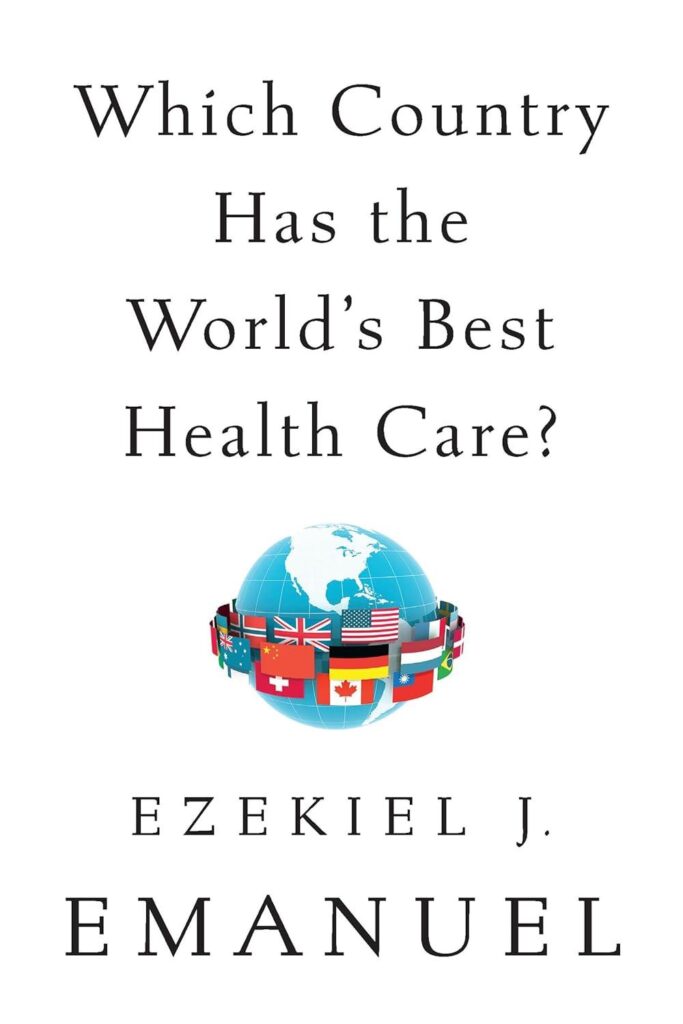
In the quest for understanding global health care, we frequently enough find ourselves pondering a pivotal question: which country truly boasts the best system? Throughout our exploration, we’ve come across a remarkable resource that seeks to untangle this complex web of health policies and practices-Ezekiel J. Emanuel’s compelling book,Which Country Has the World’s Best Health Care? This insightful work takes us on an incisive journey through eleven diverse health care systems,ranking their efficacy and offering valuable lessons for our own.
As we dive into Emanuel’s detailed analysis, we are struck by the stark realization that the United states, despite its many advancements, does not have the best health care system-at least not for all its citizens. Rather, we are invited to compare and contrast our experience with those of other nations, including Australia, canada, and Germany, each with their own unique strengths and challenges. With nearly 512 pages packed with evidence and argumentation, the book provides a comprehensive look at what works and what doesn’t in health care around the world.
Join us as we delve deeper into this thought-provoking examination, exploring not only which health system may wear the crown but also the intricate lessons we can extract to enhance our understanding of health care’s potential. in a landscape where mental health struggles and chronic illnesses are worldwide challenges, Emanuel’s insights shine a light on how global perspectives can inform our approach to health care, prompting us to ask-what can we learn from others, and how can we improve our own system?
Table of Contents
Overview of the Global Healthcare landscape

When it comes to understanding the global healthcare landscape, Ezekiel J. Emanuel’s book offers a unique viewpoint. With the question, “Which Country Has the World’s Best Health Care?” at its core, we embark on a journey through the health systems of eleven countries. Each country’s healthcare model is dissected, revealing both strengths and weaknesses. From the United States to taiwan, we are presented with a thorough comparison that highlights the multifaceted nature of health care worldwide. Emanuel’s insights inform us not just about which system may rank the highest, but also what each one can teach us. This allows us to appreciate diverse approaches to healthcare delivery and financing.
The book doesn’t shy away from discussing the complexities involved in these health systems. It gives us a brilliant rundown on how history, financing, and healthcare delivery impact outcomes for citizens across borders. We learn, as an example, that the United States spends a meaningful portion of its GDP on healthcare without delivering optimal results compared to other high-income countries. By exploring various systems, Emanuel makes it clear that no one-size-fits-all solution exists in healthcare. Instead, his focus provides actionable lessons synthesized from each country’s distinct approach.
As we delve deeper, the book outlines critical dimensions like the distribution of services, patient out-of-pocket expenses, and the challenges each system faces. This comprehensive assessment equips us with a framework to understand not only what is working, but also the pitfalls each country must navigate.The realities of mental health care and the rising costs of pharmaceuticals resonate as universal challenges, making us reflect on our own national concerns.
Through simple yet compelling language, Emanuel encourages us to think about what constitutes effective healthcare.The nuanced discussions not only engage our interest but challenge us to consider reforms that resonate with our values and needs. With thoughtful analysis throughout, we can grasp the intricacies of health care policies and delivery models, providing valuable context to an often convoluted subject.
we walk away with more than just statistics; we receive a deeper understanding of how healthcare operates in various contexts, and it stresses the importance of adopting best practices. This exploration of global health systems is a conversation starter for us all, inviting us to ponder what changes could lead to improved healthcare in our own country.
Exploring Key Features of Top-Ranked Healthcare Systems

When we think about healthcare around the globe, its a mixed bag of experiences, challenges, and triumphs. In the book exploring the many health systems, the author dives deep into what makes healthcare effective in eleven countries, making it clear that while everyone has their issues, we can learn a lot from each other. From our point of view, understanding these different systems is crucial, especially if we want to improve our own healthcare landscape.
One of the first things we notice is that no single health system reigns supreme. Each country has its unique strengths and weaknesses. For instance, Emanuel evaluates how well these systems cover their citizens, what services they provide, and how they’re financed. It’s engaging to think about how these countries approach the same issues and yet arrive at different solutions. This comparative approach is not only enlightening but also helps us grasp the complexity of health care financing and delivery.
Throughout our reading, we appreciate the consistency in how healthcare challenges are discussed. The author brilliantly frames universal challenges like the rising cost of pharmaceuticals and the need for better coordination of care. It’s rough out there, and knowing that we are not alone in facing these challenges is somewhat comforting. this connection across nations reminds us that collaboration could lead to real,impactful changes.
Furthermore, the book does a great job of breaking down how different healthcare systems manage their human resources and regulate drug prices. The depth of research is evident, and it pushes us to think critically about the structures currently in place in our own healthcare system.By examining what works in other countries, we can identify potential pathways toward building a better system for everyone.
Ultimately, we are left with numerous insights and a sense of hope. By analyzing the flaws and successes of various healthcare systems, we’re empowered to advocate for a more inclusive and efficient healthcare model. Whether we’re in the medical field or just healthcare enthusiasts, the lessons drawn from the book are invaluable as we push for improvements in our own health sector.
Highlighting Unique Aspects of Health Care in Different Countries

When it comes to health care, we often find ourselves scratching our heads, wondering which country truly stands out as the best. In “Which Country Has the World’s Best Health Care?” by Ezekiel J. Emanuel, we embark on a engaging journey through the diverse health systems of eleven countries. Each system is evaluated based on a comprehensive set of criteria,ranging from access and financing to the quality of services provided. This book shines a light on how health care varies globally and what lessons we can learn from each other.
One unique aspect we discover is how history plays a crucial role in shaping these health care systems. Emanuel dives into the origins and evolutions of health care in nations like Canada and Germany. it’s eye-opening to see how past decisions set the stage for the present-day challenges they face. Such as, while Germany boasts a high number of hospital beds, it struggles with the balance of efficiency and need. This kind of insight is invaluable for anyone looking to understand the undercurrents of health care policy.
The author also highlights the financial models behind each country’s system. In our exploration of countries such as Taiwan and Switzerland, we notice how varied approaches can lead to different outcomes in patient care and satisfaction. For us,this reinforces the idea that there’s no one-size-fits-all solution to health care,and this book presents a compelling case for drawing on the strengths and weaknesses of each country’s model.
Moreover, Emanuel emphasizes the shared challenges faced by all these nations. Whether it’s rising pharmaceutical costs or the need for improved mental health services, we see common threads that unite these diverse systems. By understanding these parallels, we can foster conversations about building better health care structures within our own communities.
Ultimately, as we navigate through “Which Country Has the World’s Best Health Care?”, we find ourselves not just learning about different systems but reevaluating our perspectives on health care altogether. The discussions are rich, the insights profound, and the potential for enhancement is clear. This book invites us to engage, reflect, and advocate for a health care system that better serves all of us.
Our In-Depth Insights on Healthcare Accessibility and Quality

When it comes to healthcare accessibility and quality, there’s a lot to unpack.The book uniquely dissects healthcare systems across eleven different countries, offering us valuable insights into what works and what doesn’t. By analyzing each system’s strengths and weaknesses, we gain a clearer picture of the global healthcare landscape. It’s fascinating to see how various financing models impact patient care and overall health outcomes. Some systems shine in providing universal coverage, while others struggle with efficiency.One striking point we noticed is how the United States, despite its extensive spending on healthcare, often finds itself lacking when compared to countries like sweden or France. This is not just about the amount spent but the value derived from it. As we read through Emanuel’s comparisons, it’s clear that no single system holds the title of “best.” Each has its hurdles,but they also have lessons to share with one another. As an example, countries like Norway excel in mental health care, while Germany maintains remarkable hospital infrastructure levels.What grabs our attention is Emanuel’s approach to demonstrating healthcare accessibility. He illustrates how systems that prioritize preventive care and primary healthcare often enjoy healthier populations. In contrast, the U.S. tends to focus more on reactive measures,leading to inefficiencies and worsened health outcomes for many. The different countries’ historical contexts also add depth to the analysis, reminding us that the systems we have today are products of long-standing policies and societal values.
It’s genuinely enlightening to learn about the real-life implications of healthcare delivery as we read testimonials and user experiences from various countries. Each chapter provides an engaging narrative showing how healthcare systems impact lives directly.As a notable example, some countries offer free or low-cost access to essential services, making healthcare a right rather than a privilege. This aspect translates into better health metrics something that should inspire reform in systems that still operate on outdated models.
the overarching conclusion from the book is that while the quest for the best healthcare system might potentially be subjective, it drives essential conversations about improving our systems.We can take the lessons learned from these global comparisons to build a healthcare system that genuinely serves everyone. Whether exploring the intricacies of drug pricing or the importance of coordinated care, we come away with a richer understanding of what healthcare could and should be across the world.
Recommendations for Navigating Choices in Global Healthcare Options

When it comes to understanding global healthcare systems, we find the book “Which Country Has the World’s Best Health Care?” to be an invaluable resource. Through Ezekiel J. Emanuel’s research, we gain insight into how various countries tackle healthcare challenges and what we can learn from them. This journey into global health systems reveals that while no single country holds the title for the best healthcare, many have unique strengths that warrant our attention.
Ezekiel Emanuel dives into the health systems of eleven diverse nations,analyzing factors such as financing,the scope of services,and patient care efficiencies. by exploring the experiences of countries like Canada, Norway, and Australia, we can draw lessons applicable to our own healthcare landscape. The focus on universal coverage, cost pressure management, and mental health priorities is particularly relevant in our discussions around reimagining healthcare in the United States.
One standout recommendation is to ensure universal coverage through auto-enrollment and subsidies, modeled after successful practices observed in other countries. This approach not only expands access but also creates a more cohesive system where patients can receive timely care without regard for their income level. Moreover, the book emphasizes the importance of investing in primary care and chronic illness management, which could lead to better health outcomes and lower costs in the long run.
Emanuel also sheds light on how drug prices are regulated differently across various healthcare systems, a crucial element we might consider adopting to enhance affordability in our medications. The comparative insights presented help us critically analyse where our healthcare delivery can improve and how we might implement these lessons effectively. Ultimately, by understanding these global perspectives, we become more equipped to navigate our choices within the healthcare system.
As we reflect on these insights, it’s clear that leveraging the strengths of different healthcare models can guide us in advocating for a system that truly meets the needs of all. For anyone grappling with the complexities of healthcare, this book serves as both a guide and a call-to-action to rethink what’s possible in global health.
Customer Reviews Analysis
Customer Reviews Analysis
In our exploration of “Which Country Has the World’s Best Health Care?” by Ezekiel J. Emanuel, we gathered a variety of opinions that reflect a broad spectrum of reader experiences. Here,we analyze the recurring themes and insights emerging from the reviews,providing a comprehensive overview that illustrates how readers responded to the book’s content and its implications on healthcare systems globally.
key Themes from the Reviews
Informative Framework
One aspect that reviewers consistently praised is the book’s structured approach. Emanuel’s detailed analysis of healthcare systems across eleven countries offers a clear framework that makes complex data accessible. As a notable example, users highlighted the book’s ability to break down each country’s system into digestible “topics” and “dimensions,” making it easier for both healthcare professionals and the general public to understand.
Comprehensive Research
A common sentiment among readers is the gratitude for the depth of research. Many reviewers noted the extensive comparative analysis, which includes insights into financing, delivery, and challenges each healthcare system faces. Here’s a concise look at some of the critical areas emphasized by readers:
| Focus Area | Reader Response |
|---|---|
| Healthcare Financing | Readers found the breakdown of financing mechanisms across different nations enlightening. |
| Comparative Analysis | The side-by-side comparisons of both successes and challenges highlighted the complexity of healthcare. |
| historical Context | the historical evolution of each system provided necessary context for contemporary issues. |
Critical feedback
While there were many positive remarks, some readers felt that certain chapters were overly detailed and could benefit from more real-life examples. The critique wasn’t about the factual content but rather about the engaging delivery. A few reviewers expressed that the dense recitation of facts early on in the book could have been more captivating with illustrative narratives:
“The individual chapters on each country were tediously written, almost just a recitation of the facts of each system.”
Utility for Different Audiences
Many found the book beneficial for both healthcare professionals and policy makers, affirming its relevance amidst ongoing healthcare debates in the United States. The consensus is that while it serves as an essential reference for those in the medical field,it is also valuable for the general public seeking to comprehend the complexities of healthcare systems:
“Who should read this book? Anyone who works in the healthcare sector or whose business is touched by the changing regulations…”
Conclusion
In sum, “Which Country Has the World’s Best Health Care?” has sparked meaningful discussions among readers about healthcare quality, access, and policy. By providing a detailed yet approachable analysis of different systems,Ezekiel Emanuel has contributed considerably to our understanding of global healthcare dynamics. While some readers noted areas for improvement, the overall impression is one of appreciation for the book’s informative content and structured presentation. We believe that as we digest this information, we move closer to understanding how we can improve our healthcare system, drawing lessons from both domestic and international experiences.
Pros & Cons
Pros & Cons of “Which Country Has the World’s Best Health Care?”
As we dive into Ezekiel J. Emanuel’s insightful exploration of global health care systems, we can identify several pros and cons that can help us decide if this book is right for us. Here’s a concise breakdown:
| pros | Cons |
|---|---|
| In-depth analysis of 11 diverse health care systems, providing valuable insights. | Lengthy read at 512 pages; may require a significant time commitment. |
| Richly sourced evidence concerning the strengths and weaknesses of each system. | Some may find the comparisons overly complex,depending on prior knowledge of health care policy. |
| Challenges misconceptions about health care in the United States. | As the author is based in the U.S., some may perceive bias toward American health care issues. |
| Offers actionable lessons that could inform improvements in our own health care systems. | Not all lessons may be applicable in different cultural contexts. |
| Engaging writng style makes complex information more digestible. | Some readers may expect a clear answer to “who has the best health care,” which the book does not definitively provide. |
we find that “Which Country Has the World’s Best Health care?” stands out as a thought-provoking book that sparks critically important conversations about health care, even though it comes with some considerations that potential readers should keep in mind.
Q&A
Q&A Section for “”
Q1: What can we learn from “Which Country Has the World’s Best Health Care?”
A1: In our exploration of the book, we discover that it offers insightful analyses of various health care systems worldwide.Each country’s approach reveals both strengths and weaknesses, allowing us to identify best practices and common pitfalls. As an example, it highlights how Germany’s abundance of hospital beds might not equate to better outcomes, while France struggles with chronic illness management. By examining these case studies, we can borrow valuable lessons to possibly improve health care delivery in our own context.
Q2: How does the book rank the health care systems?
A2: Ezekiel J. Emanuel adopts a nuanced approach rather than merely assigning a rank. He scrutinizes eleven health care systems, including the US, weighing their effectiveness, accessibility, and patient outcomes. Through this in-depth analysis, we gain a better understanding of the criteria that make a system successful, rather than just looking for a single “best” option. the ranking serves as a guide to understanding relative strengths, pushing us to consider what aspects we might wish to replicate.
Q3: Does the author favor a specific country’s health care system?
A3: While Emanuel provides an extensive review, he does not champion one system above all others. Instead, we see that he acknowledges the complexities of each nation’s health care. The author deftly balances his critique and praise, reminding us that no system is perfect. His objective is to foster discussion and debate about how we can enhance our own health care systems, rather than simply identifying a singular “best.”
Q4: is the book suitable for general readers or just health care professionals?
A4: We believe that “Which Country Has the World’s Best Health care?” is accessible to both general readers and health care professionals. The writing is engaging and informative, making complex concepts digestible for those who may not have a background in health policy. readers interested in understanding global health care dynamics will find valuable insights, while professionals can glean technical details that inform their practices.
Q5: What are some shared challenges faced by health care systems around the world?
A5: Throughout the book, we learn that many countries grapple with similar issues, including the rising costs of chronic care, mental health care access, and the transition to value-based care. These shared challenges highlight the interconnectedness of global health concerns and remind us that while systems differ, the underlying issues often require collaborative solutions.
Q6: How does the United States fare in this comparison?
A6: Emanuel does not shy away from critiquing the US health care system, which he argues falls short in providing equitable care for all its citizens across diverse states. We see that, despite high spending, the system is plagued by inefficiencies, disparities in access, and high costs. The book encourages readers to reflect on these shortcomings and consider reforms that could lead to improved outcomes.
Q7: What makes this book a must-read?
A7: We believe “Which Country Has the World’s Best health Care?” stands out due to its rigorous research, compelling storytelling, and the urgency of the topic. In an era where health care is at the forefront of global discussions, this book not only informs but also inspires dialog about how we can strive for better health outcomes. Whether we’re curious about our own system’s weaknesses or interested in international best practices, this book offers the tools to navigate the evolving landscape of health care.
Discover the Power
As we wrap up our exploration of “Which Country Has the World’s Best Health Care?”, we’re left with valuable insights into the strengths and weaknesses of various health care systems around the globe. Ezekiel J. Emanuel’s thorough analysis not only illuminates where these systems excel but also where they falter, bringing to light the vital lessons we can learn from each other.
While the debate over the best health care system continues, one thing remains clear: no system is perfect, and understanding these complexities is crucial for improving health care for all. Whether you’re a policy-maker, a health care professional, or simply someone interested in the way health care is organized around the world, this book offers essential perspectives to consider.
We encourage you to dive into this comprehensive review and discover which country comes out on top in the quest for the best health care. For those ready to embark on this enlightening journey, you can find the book here. Let’s continue the conversation about health care and how, together, we can advocate for a better future for all.