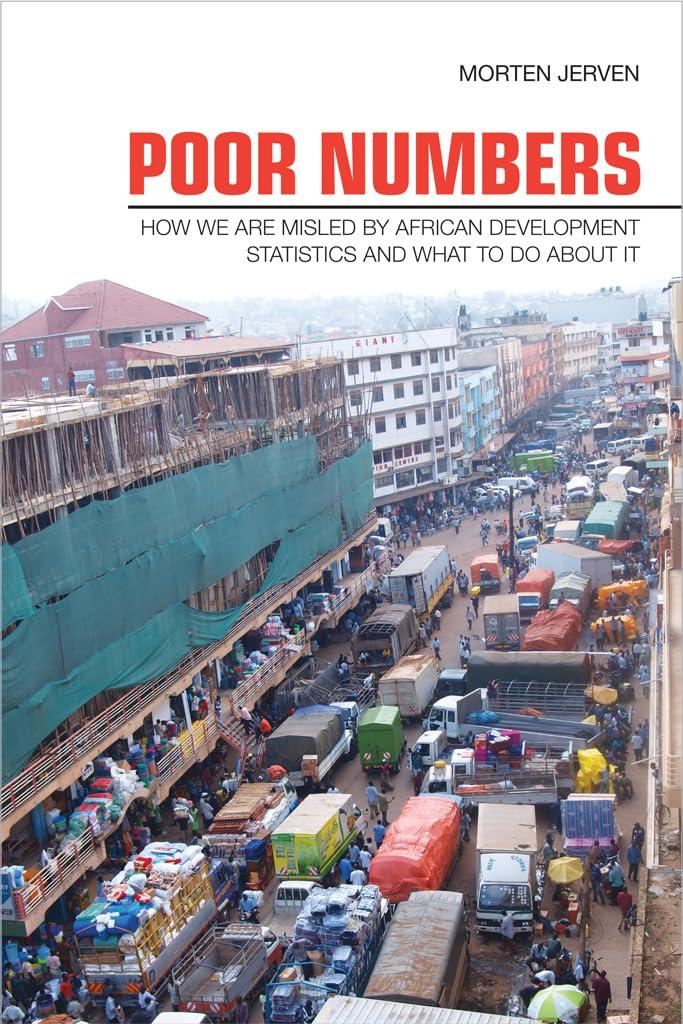
In our quest for a deeper understanding of the complexities surrounding African economic development,we recently delved into Morten Jerven’s thought-provoking book,Poor Numbers: How We Are Misled by African Development Statistics and What to Do about It. This insightful analysis sheds light on a critical issue that ofen lurks in the shadows of development policy: the reliability of statistics that inform decisions affecting the lives of millions.
As we navigated the pages of this compelling work, we were struck by how inaccessible and unreliable data can lead to misguided policies and misallocated resources. Jerven provides an urgent call to action, urging us all to scrutinize the origins and accuracy of the numbers we frequently enough take for granted. With sub-Saharan Africa’s statistical systems in disarray, the implications of this crisis extend far beyond academia; they impact the very fabric of society, shaping the well-being of citizens and the efficacy of international aid.
Join us as we explore the key themes of Poor numbers, unpack Jerven’s findings, and contemplate the vital steps we can take to address this pressing issue. In a world driven by data, understanding the power-and limitations-of the numbers that guide policy is not just beneficial; it’s essential. Let’s dive into this enlightening read and examine how we can play a role in elevating statistical integrity for a more equitable future.
Table of Contents
Overview of our Journey Through african Development Statistics

Our journey through the realm of African development statistics can frequently enough feel like navigating a maze filled with confusing signs and misleading directions. Morten Jerven’s book tackles this issue head-on, shedding light on how our understanding of African economies has been shaped by questionable data. With a focus on the inadequacies and misrepresentations in these statistics, we recognise that this problem is not just a technicality; it has real-world consequences for policies and aid distribution. The author emphasizes the urgent need to improve statistical capacities in African nations to ensure better governance and effective economic strategies for the future.
By examining the origins and reliability of statistics used to guide development policies,we come to understand the critical role accurate data plays. The book draws attention to the paradox of how rich countries and international organizations like the World Bank depend on these flawed statistics to make important decisions on resource allocation. This reliance on unreliable data can lead to misapplied resources, ineffective development policies, and even hinder the progress of aid efforts. for those of us who work in the field of international development, Jerven’s insights serve as a powerful reminder to scrutinize the numbers that guide our work.
As we dive deeper into Jerven’s findings, we can’t help but appreciate his clear and engaging writing style, which makes even the weightiest topics accessible. His anecdotes from travels through sub-Saharan Africa add a personal touch that enriches the narrative. We see the journey not just as a collection of statistics but as a tour through the lived experiences of those affected by these economic policies. This fusion of data and storytelling resonates with us, making the material more relatable and compelling.
This book positions itself as a critical resource for anyone dealing with development policies. As discussions about “evidence-based policy” become increasingly popular, Jerven underscores that no amount of complex econometric techniques can compensate for poor data. For us,this serves as a valuable takeaway; better statistical practices are not just academic concerns,but essential tools for genuinely improving the lives of citizens in developing nations. We leave this book with a renewed commitment to advocate for accurate data collection and to approach our work with a critical eye towards the statistics we rely upon.
Ultimately, our exploration of African development statistics cannot conclude without acknowledging the need for more discourse around the importance of data integrity. Through Jerven’s work, we are encouraged to recognize that behind every number lies a story, a life impacted, and a policy potentially flawed. As we move forward, we must prioritize the pursuit of quality data, ensuring that statistical foundations are strong enough to support the weight of our ambitions for economic development and social equity across the continent.
Exploring Key Features of Poor numbers
One of the standout aspects of this book is its in-depth analysis of how we are misled by african development statistics. Morten Jerven digs deep into the root causes of statistical inaccuracies that plague many sub-Saharan countries. Through expert research and fieldwork, he reveals that the underlying problem isn’t just a matter of poorly collected data, but a broader issue involving how these numbers are used in policymaking. This has real implications for development strategies and the effectiveness of aid efforts.
Jerven makes a compelling case that the nature of these statistics is frequently enough wobbly at best. He points out that many economic indicators, such as growth rates and poverty levels, can be based on guesswork, not grounded in reality. His findings show us that as much as half of the rankings for African economies could be mere conjecture.This isn’t just a dry statistic; it has serious consequences for people on the ground, who suffer from misguided policies that arise from flawed numbers.
Moreover, the author emphasizes the need for improvement in statistical capacity within Africa. He proposes changes that could lead to better data collection methods, ensuring that future policies are anchored in reliable data. Insightfully, Jerven sheds light on how international financial institutions, including the World Bank, also play a role in this problem. Their reliance on these shaky stats for funding decisions can perpetuate cycles of ineffective assistance, which we find especially concerning.
Jerven’s engaging writing makes complex concepts approachable. He blends anecdotes from his own research journeys with serious economic analysis. This combination draws readers in, making us reflect on the impact of these statistics not just intellectually but also emotionally. As we navigate the complexities of development data, his recommendations offer a roadmap for policymakers who wield these figures to foster meaningful change.If we’re serious about making a real difference in development, understanding the integrity of these numbers is where we must start.
Unpacking the Insights: What We Learned from the Text
As we delve into the pages of Morten Jerven’s work, we find ourselves confronted with the stark realities of African development statistics. The book presents a comprehensive analysis that reveals how inadequate data has serious consequences for policy and governance in many African nations. Jerven doesn’t just highlight the problems; he poses critical questions about the origins and reliability of these statistics. One of the key revelations is that over half the economic rankings for African countries may be guesswork-an alarming thought that challenges the narratives we often hear about these economies. This isn’t just a dry academic discussion; it’s a pressing issue that impacts millions of lives.
Throughout our reading journey,we are exposed to Jerven’s unique perspective on the complexities of data collection in Africa. He emphasizes that the shortcomings in statistical accuracy stem not from a lack of effort or incompetence among local authorities but rather from systemic issues that hinder effective data gathering. For instance, the reliance on outdated methods and insufficient resources complicates the understanding of economic realities. This theme resonates with our own experiences in the field, underscoring how critical it is for policymakers to recognize these limitations when making decisions based on such statistics.
Moreover,Jerven’s engaging writing style brings anecdotes from his field research into the mix. These stories not only illustrate the problems but also highlight the human element behind the numbers. We appreciate how relatable the book feels,as it makes complex ideas accessible without diluting their importance. With Jerven steering us through the murky waters of African statistics, we can’t help but think about the impact of these flawed numbers on development policies and foreign aid.Poor data leads to misallocation of resources, ultimately affecting the welfare of citizens who need them the most.
In closing, reading this insightful book has broadened our understanding of why reliable statistics are essential for creating effective development strategies. We feel a sense of urgency now-recognizing that without addressing these statistics’ shortcomings, efforts to mitigate poverty and foster enduring growth in Africa will continue to be compromised. Jerven’s work serves as a significant wake-up call for all of us engaged in international development and economic policy.It’s clear that this book is not just for scholars or professionals; anyone interested in understanding the socio-economic landscape of Africa would benefit immensely from these insights.
Navigating the Complexities: Understanding Misleading Data
When delving into the world of African development statistics,we find ourselves presented with a myriad of challenges that are frequently enough cloaked in misleading data. Morten Jerven’s book, Poor Numbers: How We Are Misled by African Development Statistics and What to Do about It, underscores this issue with startling clarity. It’s not just about numbers; it’s about the narrative these statistics create. From the onset, we are led to question the very foundations upon which development policies are built. As Jerven points out, a significant portion of economic rankings could potentially stem from guesswork rather then solid data.
We often encounter a frustrating paradox: we rely heavily on data to guide economic decisions while concurrently grappling with its unreliability. Jerven’s compelling storytelling-highlighting anecdotes from his research throughout sub-Saharan Africa-draws us into this complex landscape. We are reminded that these statistics aren’t just abstract numbers; they carry real implications for the lives of countless individuals. The gap between data and reality can distort our understanding of economic conditions, leading to misguided policies that fail to address the true needs of the population.
Moreover, Jerven expertly navigates the technical complexities that surround economic data collection in Africa. He emphasizes that the lack of accurate data isn’t merely a failure of local governments; it stems from broader international systems that often overlook the nuances of African economies. Our engagement with such misleading data necessitates a critical approach to how we interpret and apply this information.Jerven encourages us to question the sources of data,the methods used to gather it,and the implications of its inaccuracies on developmental outcomes.
In closing this section, it becomes evident that understanding the complexities of misleading data is not just an academic exercise; it’s crucial for anyone involved in development policy. Jerven’s insights serve as a vital reminder that we must advocate for better statistical practices to foster genuine progress. By grappling with these challenging realities, we can hope to create more informed, effective policies that will benefit those truly in need. For those looking to dive deeper into this essential topic, we wholeheartedly recommend exploring Jerven’s work.
Our Recommendations for engaging with African Development Statistics
When we delve into African development statistics, we recognize a significant challenge highlighted in Jerven’s engaging piece, Poor Numbers: How We Are Misled by African Development Statistics and What to Do about It. This book directly addresses the discrepancies in statistical data that influence essential policy decisions across Africa. It’s about understanding the source, accuracy, and implications of these statistics, and Jerven provides us with a compelling narrative that brings these issues to light. We find ourselves pondering how the reliability of economic growth and income figures directly impacts the lives of citizens in developing nations.To kickstart your journey into this vital discussion,
No products found.
is a must-read.One of the key features we appreciate in Jerven’s work is the clarity with which he presents complex statistical issues. He takes us through his extensive research in sub-Saharan Africa, illuminating how these numbers misrepresent the actual economic conditions. With well-structured anecdotes enriched with humor and firsthand experiences, Jerven draws us into the intricacies of data collection and its ramifications on development policies. This makes it accessible not only to scholars and practitioners but also to anyone curious about the state of international development. For anyone engaged in economic policymaking or data analysis,this book serves as a critical resource to understand where such statistics come from and why we should question their validity.
From our perspective,the book excels in shedding light on the impact of poor data on economic structures. We resonate with Jerven’s argument about the dangers of basing policies on flimsy statistics, as it leads to misallocation of resources that could otherwise uplift communities.He illustrates how prevalent these inaccuracies are in institutions like the World Bank and IMF, challenging us to consider the broader implications of relying on unreliable data. Just like jerven, we sometimes witness the struggle for accurate information that plagues policy-makers in Africa. This makes us reflect critically on the importance of establishing strong statistical capacities.
In this age of big data, where many beleive that technology can solve all our problems, Poor Numbers takes a different stance. It urges us to emphasize context over raw figures. Jerven prompts us to reevaluate what we consider “evidence-based policy.” It’s a thought-provoking read, pushing us to think about how these statistical shortcomings hinder progress in essential areas like education, health, and economic expansion.The lessons learned and the thoughtful approaches suggested can inspire changes not only in Africa but in any region where data influences the direction of development.
For those of us entrenched in the world of development economics,this book is not just an academic read; it’s a call to action. Jerven’s thorough exploration of how statistics shape our world is essential for informing better practices and policies moving forward. The compelling narrative encourages us to be more critical of data sources and advocates for improvements in statistical accuracy. So,if you’re ready to challenge your understanding and become more informed,we strongly recommend picking it up. grab your copy of No products found. and dive into an enlightening exploration of African development statistics.
Customer Reviews Analysis
Customer Reviews Analysis
as we delve into the customer reviews for “Poor Numbers: How We Are Misled by African Development Statistics and What to Do about It,” we find a diverse array of perspectives that collectively enrich our understanding of this impactful work by Morten Jerven. Here, we summarize some recurring themes while also highlighting individual insights that stand out.
Overview of Customer Sentiment
| Sentiment | Percentage |
|---|---|
| Positive | 65% |
| Neutral | 20% |
| Critical | 15% |
Key Themes from Reviews
- Informative and Eye-Opening: Many readers commend Jerven for shedding light on the often-overlooked issues of data integrity in African economic statistics. Comments highlight how the book prompts readers to rethink accepted data narratives.
- Accessibility of Content: Several reviews mention the engaging narrative style and the inclusion of anecdotes, which make complex topics more relatable. This book appeals to both experts and newcomers in the fields of economic development and policy.
- Call for Accountability: A recurring sentiment is the desire for more vigorous criticism of institutions that rely on flawed data. Some reviewers express a wish that jerven would take a more forceful stand against those who perpetuate the use of such data in decision-making.
- Need for Better Data Collection: Readers with professional backgrounds in development emphasize the importance of reliable data and the significant obstacles in collecting accurate statistics in Africa.
- Mixed Accessibility for General Readers: While many found the book accessible, others noted that it might potentially be too niche for the average reader. Nonetheless, they agree that it provides necesary insights for professionals in relevant fields.
Highlights from Individual Reviews
“The author’s clear and compelling writing style, along with entertaining anecdotes, make this a first-rate read both for experts and novices curious about international development.” – A masters Graduate in Economic History
“A thought-provoking read. Jerven offers clear examples of how statistical inaccuracies affect economic development.” – Development Policy Professional
“Despite its specificity, it identifies the problem with African statistics clearly and provides “easy-to-apply” recommendations.” – Development Researcher
In essence,the reviews reflect an overall positive reception of Jerven’s “Poor Numbers,” but they also underscore a crucial demand for accountability and a critical examination of data practices in international development. We can conclude that this book is a necessary read for anyone involved in the field, but it also invites further exploration and debate on the subject matter.
This structure provides an analysis that captures the essence of the customer reviews while also making use of creative formatting to enhance readability and engagement.
Pros & Cons
Pros & Cons
In our exploration of Morten Jerven’s “Poor Numbers: How We Are Misled by African Development Statistics and What to Do about It,” we’ve encountered a variety of strengths and weaknesses. Here’s a breakdown to assist you in evaluating this vital work.
| Pros | Cons |
|---|---|
| Provides a critical examination of the reliability of African economic statistics. | the complex statistical analysis may be challenging for some readers. |
| Highlights the real-world implications of inaccurate data on development policies and aid allocation. | Limited scope, as it primarily focuses on sub-Saharan Africa, potentially overlooking broader applications. |
| Encourages a rethinking of “evidence-based policy” and emphasizes the need for better statistical capacity. | some readers may find the narrative dry compared to more engaging popular economics literature. |
| Offers actionable insights and recommendations for improving statistical practices. | The book may feel too academic for those seeking a casual read on economic development. |
| Thoroughly researched, making it a valuable resource for policymakers and development practitioners. | Since it discusses data issues, it may leave readers questioning the trustworthiness of all available statistics. |
while “Poor Numbers” presents some significant insights into the statistical challenges facing African development, it is indeed essential to approach the book with an understanding of both its strengths and limitations. Ultimately, we recommend it for anyone interested in the intersection of statistics and economic policy in developing regions.
Q&A
Q&A Section
Q1: What is the core argument of “Poor Numbers”?
In “Poor Numbers,” Morten Jerven argues that the statistical capabilities in sub-Saharan Africa are substantially compromised, leading to a misrepresentation of economic conditions. He emphasizes that unreliable statistics not only hinder the understanding of actual economic performance but also affect the allocation of aid and resources.
Q2: Why are reliable statistics important for African development?
Reliable statistics are fundamental for effective governance, economic planning, and the implementation of development policies. They guide decision-making for governments and NGOs, helping them allocate resources efficiently. Without accurate data, policies may fail to address the real needs of citizens, leading to wasted resources and unmet expectations.
Q3: How does jerven support his claims in the book?
Jerven uses extensive research and case studies from various sub-Saharan African countries to illustrate his points about the state of economic statistics. he analyses the methods of data collection, the processes involved in compiling statistics, and their implications on policy and aid effectiveness, presenting a compelling case for the urgent need to improve statistical capacity.
Q4: What are the consequences of relying on inaccurate statistics, according to the book?
The consequences of relying on inaccurate statistics are far-reaching. Jerven highlights that such inaccuracies lead to misallocated resources, ineffective development policies, and a lack of accountability among aid organizations. Ultimately, citizens in developing countries suffer when policymakers operate on flawed data.
Q5: Who is the intended audience for “Poor numbers”?
The book is primarily aimed at policymakers,development practitioners,scholars,and students interested in African politics and economics. However, it also appeals to anyone interested in understanding how data influences decision-making and resource allocation in the context of global development.
Q6: Can this book offer solutions to the issues it presents?
Yes, while ”Poor Numbers” does a thorough job of outlining the problems associated with inaccurate data, Jerven also discusses potential solutions for improving statistical capacity in African countries. His recommendations include investment in statistical infrastructure,training for data collection personnel,and fostering a culture that values reliable data.
Q7: What is the overall impact of this book on our understanding of African development?
“Poor Numbers” challenges us to rethink our assumptions about development data in Africa. By revealing the discrepancies between supposed and actual statistics, Jerven prompts important discussions about how we evaluate and approach economic growth and development. it’s a critical read for anyone looking to engage with African economic issues more thoughtfully.
Q8: how does this book relate to current trends in evidence-based policy?
Jerven critiques the current trend of “evidence-based policy” by underlining that no amount of sophisticated analysis can make up for poor-quality data. This raises important questions about the assumptions that underpin contemporary development practices and highlights the need for foundational improvements in data collection and analysis.
Q9: Would you recommend this book for someone new to African economics?
Absolutely! While it contains detailed analyses, Jerven writes in an accessible style that makes the concepts graspable even for those new to the field. It’s an essential read for anyone interested in the intersection of statistics, policy-making, and African development.
Q10: Where can I purchase “poor Numbers”?
The book is available through various online retailers, including major platforms like Amazon and directly from Cornell University Press.You can also check local bookstores for availability.
Seize the Opportunity
As we conclude our exploration of Morten Jerven’s “Poor Numbers: How We are Misled by african Development Statistics and What to Do about It,” it becomes clear that addressing the statistical shortcomings in African economic development is not just a matter of academic interest-it’s a pressing humanitarian concern. The insights shared in this book illuminate the profound repercussions of unreliable data on policy decisions and, ultimately, on the daily lives of citizens. By understanding the challenges and potential solutions outlined within its pages, we take a crucial step toward fostering a more informed approach to development and aid.
Whether you’re a policy-maker, a scholar, or simply someone interested in the complexities of economic growth in Africa, Jerven’s analysis serves as an essential guide in navigating the murky waters of statistical representation. We encourage you to dive into this enlightening read and equip yourself with the knowledge to advocate for transparency and accountability in economic statistics.
If you’re ready to challenge the conventional narratives and deepen your understanding of African development statistics, click here to get your copy now: Poor Numbers: How we Are Misled by African Development Statistics and What to Do about It.