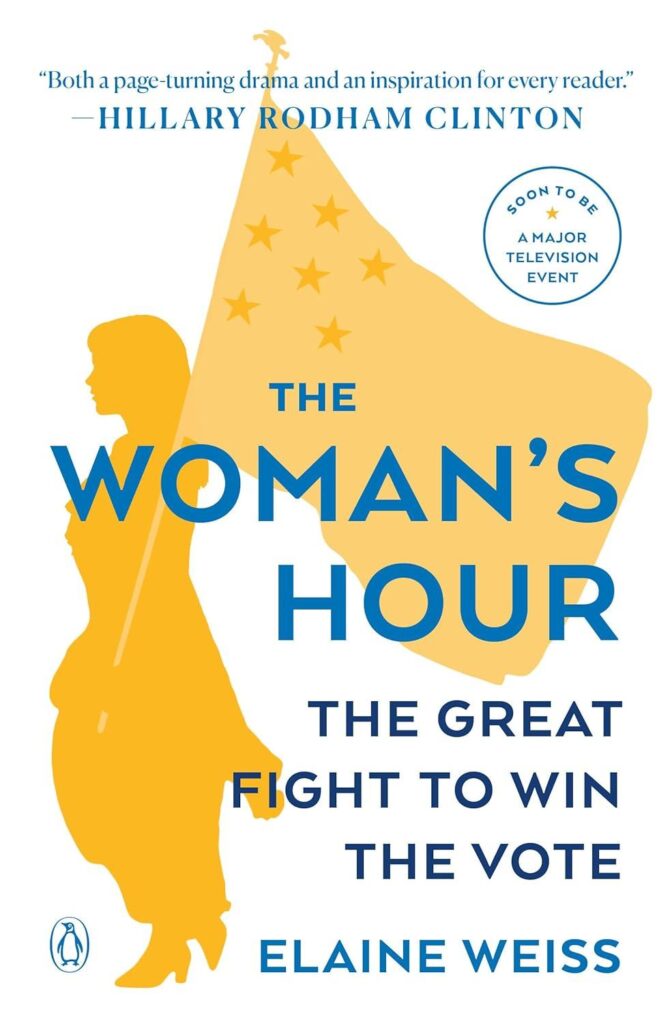
In recent months,we have immersed ourselves in the gripping narrative of “The Woman’s Hour: The Great Fight to Win the Vote,” a monumental tale that brings to light a pivotal moment in American history-the fight for women’s suffrage. As we turned the pages of this compelling work, we found ourselves transported back to a sweltering August in 1920, where every decision hung in the balance during the final push for the Nineteenth Amendment.
This book is more than just a ancient account; it is a masterful blend of drama, courage, and the indomitable spirit of the women who risked everything in this fierce struggle. We followed the journeys of suffragists facing fierce opposition from all corners, battling not just the powerful politicians and corporations, but also their own fears and the societal norms that sought to silence them. The stakes were high, and the atmosphere was thick with tension-making it impractical to put the book down.
Whether we were rooting for the heroic suffragists or grappling with the complexities of their adversaries, each chapter left us feeling a mix of anger, hope, and inspiration.As we reflect on our reading experience, we invite you to join us as we delve deeper into the pages of “The Woman’s hour” and explore how this remarkable narrative not only chronicles a monumental victory for women’s rights but also serves as a reminder of the ongoing fight for equality that continues to resonate today.
Table of Contents
Overview of Our Journey Through The Woman’s Hour

As we dive into “The Woman’s Hour: The Great Fight to Win the Vote,” we’re captivated by the compelling narrative woven by Elaine Weiss. It’s more than just a recounting of history; it’s an emotional journey through the battle for women’s suffrage in the early 20th century. In this gripping story, we witness the courageous endeavors of women who fought against tremendous odds, including opposition from both men and some women. The stakes were high, and the determination of these leaders is vividly portrayed by Weiss, making each chapter feel like a pivotal moment in a high-stakes drama.
The tension builds as we follow the suffragists during the nail-biting summer of 1920 when Tennessee became the crucial 36th state needed for the ratification of the 19th Amendment. Weiss skillfully captures the atmosphere filled with political maneuvering, passionate debates, and unexpected alliances. We appreciate the depth with which she describes key figures like Carrie Catt and how their personal journeys intertwined with the broader fight for civil rights. With every page, we feel the urgency and excitement, as if we are part of the movement ourselves, navigating the challenges along with them.
Moreover, Weiss doesn’t shy away from addressing the challenging truths surrounding the suffrage movement, including the complexities of race and privilege. This intersectional approach enriches our understanding of the struggle,showing that the fight for women’s rights is deeply connected to broader societal issues. We are reminded that the journey toward equality is ongoing and that these historical battles reverberate into our present, echoing the persistence required to secure rights for all.The rich details and thoughtful examination of the context compel us to reflect on the progress we’ve made and the work that still lies ahead.
Ultimately, “The woman’s Hour” serves as both a captivating historical account and a potent reminder of the resilience of those who fought for justice. Weiss’s ability to breathe life into history creates an engaging reading experience that leaves us inspired. As we close the book,we feel a sense of gratitude for these trailblazers who paved the way for our rights today,urging us to continue their legacy with our own efforts toward equality.
Exploring the Powerful Themes and narratives
When we dive into “The Woman’s Hour: the Great Fight to Win the Vote,” we’re stepping into a compelling narrative that not only chronicles a historic struggle but also examines the intricate social dynamics that played out during the early 20th century. The themes are powerful and resonate deeply with us,reflecting our ongoing societal battles for equality and justice. The juxtaposition of celebration and conflict truly colors this tale, making it both enlightening and relatable.
One striking theme we encounter is the intersectionality of the women’s suffrage movement. The book highlights the complex relationships and differing viewpoints among key figures, from Elizabeth cady Stanton to Susan B. Anthony. It’s a bit chilling, yet eye-opening to see how their stories intertwine and how their personal battles also mirrored wider societal issues.This historical context magnifies our understanding of the suffrage fight, showing just how multifaceted and nuanced the conversation around women’s rights was-and still is today.
As we navigate the pages, we can’t help but feel a sense of urgency and relevance. The historical parallels drawn between the suffragists’ experiences and contemporary women’s rights struggles remind us that the fight for equity is ongoing. The book captures the fierce dedication of women like Carrie Catt, who were not only aiming for the vote but were also challenging societal norms that dictated women’s roles. This raises questions about our current responsibilities in advocating for our rights and fighting against the tides of complacency and opposition.
Moreover, “The Woman’s Hour” effortlessly intertwines personal stories with broader historical narratives, enriching our understanding of this pivotal moment in American history. The writing style is accessible, drawing us in and inspiring us to reflect on our own role in continuing the fight for equality. Every chapter delivers a sense of immediacy, making historical events feel close to home. It truly serves as a reminder that these themes extend beyond the past; they are part of our collective struggle for justice today.
Unpacking the Historical details and Character Insights
as we dive into “the Woman’s Hour: The Great Fight to Win the Vote,” it’s important to unpack the historical details and character insights presented by Elaine Weiss. This book not only captures the exhilarating struggle for women’s voting rights in the U.S. but also represents a vivid tapestry of the individuals who fought against tremendous odds. We experience the palpable tension in nashville during the summer of 1920,where the stakes couldn’t be higher. Tennessee stood as the final state needed to ratify the 19th Amendment. As readers, we feel the urgency and significance of this momentous battle played out through the lives of remarkable women like Carrie Chapman Catt, who dedicated her life to enfranchisement and equality.
Weiss brings to life the complexities of these historical figures, showing us their motivations and the relentless drive behind their actions.Carrie Catt’s political awakening at the age of thirteen resonates deeply; it’s a stark reminder of how early exposure to injustice can shape a person’s future. The narrative is filled with moments of betrayal as women found themselves at odds with each other, some even opposing their own right to vote.this contradiction is evidenced by the ”Antis,” who feared that gaining suffrage would lead to moral decay. Here, we realize that the battle was not just against external influences but also against internalized beliefs among women themselves.
As we move through the pages, Weiss cleverly intertwines the stories of many suffragists and opponents alike, providing a multi-dimensional view of the era. We can’t help but be drawn into the dynamics between key historical figures like Frederick Douglass, Elizabeth Cady Stanton, and Susan B. Anthony. Their relationships, fraught with tension and collaboration, provide a rich backdrop for understanding the complexities of the suffrage movement. Weiss’s writing draws us into these interactions, making them feel alive and relevant. Discussing the deep motivations behind their alliances and disagreements makes it impossible to look away. We find ourselves contemplating not just the fight for voting rights but also the broader implications of those struggles in today’s society.
The vibrant storytelling captures the drama, heartache, and victories of this historic movement. Weiss’s meticulous research shines through,ensuring that we gain insights into the power plays and the emotional weight involved in the suffragist efforts. It’s not merely a retelling of facts; it’s a compelling narrative that teaches us about the determination of women who faced fierce opposition, from both men and women. We appreciate the humor and grit that emerged from their struggles, reminding us of the importance of their fight in the context of women’s rights today. The lessons brought forth invite us to reflect on our own roles in the ongoing journey for equality, making the historical deeply personal.
“The Woman’s Hour” is a thought-provoking read that evokes admiration for the suffragists’ courage and commitment. by exploring the historical details and unique character insights, we not only gain knowledge but also a sense of kinship with these trailblazers. Their passion and perseverance remind us that while history may be rooted in the past, its echoes resonate strongly in our present, motivating us to continue the fight for rights and recognition. Weiss’s portrayal of these unbelievable women serves as an inspiration and a call to action for future generations, signaling that the story of women’s empowerment is far from over.
Reflecting on the Impact and Relevance of the Story
told in “The Woman’s Hour: The Great Fight to Win the Vote,” we find ourselves immersed in a narrative that resonates deeply with today’s ongoing struggles for equality and portrayal. This book shines a spotlight on a pivotal moment in American history where women fought fiercely for their voices to be heard. It’s more than just a recounting of events; it’s an energizing reminder that the battle for rights is one fraught with challenges, frequently enough requiring relentless courage and nerve.
The journey of women like Carrie Catt, who dedicated her life to the suffrage movement, inspires us as we continue to navigate our own fights for justice. It reminds us that while we’ve made significant strides, the landscape of gender equality remains complex and sometimes daunting. As we reflect, it’s startling to recognise parallels between the political climate of the early 20th century and today. The book effectively captures this dichotomy,compelling us to confront the realities of opposition-both from external forces and from within our own ranks.
Additionally, Weiss’s immersive storytelling helps us connect not just with the history, but also with the emotional currents that drove these women. Their stories are not only historical accounts; they echo the ongoing toll of underrepresentation that persists in our society. As we turn the pages, we feel a connection to our ancestors’ struggles, which not only informs our understanding of past injustices but also fuels our present-day advocacy. This book emphasizes that triumphant movements often hinge on the solidarity of those willing to stand up, reminding us of the importance of collective action.
Ultimately, engaging with this important piece of literature grants us a layered outlook on women’s rights and fortifies our resolve to fight for equitable representation. The narrative is not just about acknowledging past victories but serves as a clarion call for continued activism. As we take these lessons to heart, it becomes clear that the path paved by those brave souls must be honored by our ongoing commitment to ensuring that all voices-especially those of women-are adequately and fairly represented in civic discussions.
Our Final Thoughts and Recommendations for Readers
As we wrap up our thoughts on “The Woman’s hour: The Great Fight to Win the Vote,” we can’t help but reflect on how powerful and relevant this narrative remains. The book is not just a recount of historical events; it vividly brings to life the struggles and triumphs of those who fought tirelessly for women’s suffrage. Through engaging prose, Elaine Weiss allows us to step into the shoes of suffragists battling against tremendous odds, including fierce opposition within their own ranks. It reminds us that the fight for equal rights is ongoing and that each generation must carry the torch forward.
We highly recommend diving into this compelling read if you’re seeking not just to understand history, but to find inspiration within it. This book connects the dots between past and present, making us reflect on our own societal progress. It celebrates the resilient women who paved the way for our rights today and offers a crucial reminder of the work that still needs to be done. Whether you’re a history buff or simply curious about women’s rights, this book is a must-read for everyone.
furthermore, it’s refreshing to witness Weiss’s ability to weave personal narratives into the broader context of suffrage. Her approach encourages us to appreciate the complexities of the relationships among iconic figures like Frederick Douglass, Elizabeth Cady Stanton, and susan B.Anthony. By doing so, we realize that the quest for equality has always involved both unity and division, challenges that persist in today’s political landscape. We can’t emphasize enough how her storytelling makes the past resonate deeply with our present-day struggles, inspiring us to advocate for justice in our communities.
So, if you’re contemplating how you can contribute to this ongoing narrative of empowerment, “The Woman’s Hour” might just be the spark you need. As we reflect on women’s accomplishments and the unfinished business of equality, a read through Weiss’s engaging account will surely galvanize you to join the conversation. Ready to grab your copy? Let’s continue learning from our history to build a better future.
Ready to purchase? Get it now on Amazon
Customer Reviews Analysis
Customer Reviews Analysis
As we dive deeper into the customer reviews of The Woman’s Hour: The Great Fight to Win the Vote, it becomes clear that this book resonates profoundly with readers. we gathered various perspectives that highlight the book’s impact, themes, and the rich historical context it presents.
| Review Summary | Key Themes |
|---|---|
| Momentous account of women’s fight for suffrage | Historical significance, struggle, empowerment |
| Engaging narrative that breathes life into history | Connection to the past, readability, intersectionality |
| A reminder of ongoing challenges for women’s rights | Contemporary relevance, political struggle, legacy |
| Educational and eye-opening about suffrage movements | Comprehensive research, lesser-known figures, interconnectedness |
From our analysis, we notice certain common threads in the reviews. Many of us appreciate how Weiss intricately weaves historical facts with compelling storytelling, making it not just a book about the past but a relevant commentary for today. The emotions stirred by the struggles faced by suffragettes remind us of the importance of acknowledging their contributions, as well as recognizing the ongoing fight for equality.
Several readers pointed out the book’s ability to connect historical events with contemporary issues. As a notable exmaple, the parallels drawn between past and present political environments struck a chord with many of us. This connection urges us to not only reflect on the victories of the past but also to remain vigilant in our pursuit of justice and equal rights.
We also noticed a significant emphasis on the intersection of race within the suffrage movement, showcasing the importance of an inclusive narrative. Readers expressed gratitude toward Weiss for addressing these complexities, which are often overlooked in traditional historical recounting.
Ultimately, it seems The Woman’s Hour is more than just a historical account; it’s a passionate reminder of the battles fought by courageous women and an invitation for us to continue striving for equality in our own times.As we close this section, we can all agree that this book has not only enriched our understanding of history but has inspired us to reflect on our roles in the ongoing narrative of women’s rights.
Pros & Cons
Pros & Cons of “The Woman’s Hour: The Great Fight to Win the Vote”
| Pros | Cons |
|---|---|
| Engaging Narrative: The storytelling is compelling and draws us deep into the suffragist movement, making history come alive. | Complexity of Events: The myriad of characters and events may sometimes be overwhelming for readers unfamiliar with the subject matter. |
| Inspirational Figures: The book showcases remarkable women whose courage fuels our belief in the power of activism. | Pacing Issues: Some readers might find the pacing fluctuates,particularly in transitioning from personal stories to broader historical context. |
| Rich Historical Context: we gain deep insights into the social and political climate of the time, enriching our understanding of the fight for suffrage. | Limited Global Perspective: The focus remains largely on the United States, which might feel limiting to readers interested in a more global view on women’s rights. |
| Critical Reflection: The book prompts us to reflect on current social issues, paralleling past struggles with present-day challenges. | Heavy Subject Matter: Some themes, like racism and betrayal, can be distressing, which may not resonate with all readers. |
while “The Woman’s Hour” captivates us with its dynamic storytelling and powerful real-life figures, it’s essential to be aware of its complexities and heavier themes. We beleive it is indeed an critically important read that invites us to understand and appreciate the struggles that led to women’s suffrage in America.
Q&A
Q&A Section: The Woman’s Hour Review
Q: What is the main focus of “The Woman’s Hour”?
A: “The Woman’s Hour” centers around the intense political drama in Nashville during the summer of 1920, as women fought for the ratification of the Nineteenth Amendment, which would grant them the right to vote. The book highlights the multifaceted opposition they faced and the courageous efforts of various women who led the movement, making it a compelling read about a pivotal moment in American history.
Q: How does the book portray the suffragists’ struggles?
A: The book artfully captures the suffragists’ struggles against not only political opposition but also societal prejudice. It vividly details the involvement of different factions-including politicians, religious groups, and even some women who opposed their own enfranchisement-creating a rich tapestry of drama, conflict, and resilience.
Q: Is the writing style engaging?
A: Absolutely! We found the narrative to be both gripping and accessible. The author blends historical facts with personal stories, creating a page-turning experience that immerses readers in the urgency and stakes of the suffragist movement.
Q: Are there notable characters in the book?
A: Yes, there are several remarkable women featured in the book who played crucial roles in the fight for suffrage. We loved how the author brings their unique stories to life, showcasing their bravery, determination, and the moral complexities they navigated during this monumental era.
Q: What lessons can modern readers take from “The Woman’s Hour”?
A: The book serves as an critically important reminder of the power of collective action and the ongoing struggle for civil rights. It encourages us to reflect on our own roles in advocating for equality and to appreciate the sacrifices made by those who fought for the rights we enjoy today.
Q: Would you recommend “The Woman’s Hour” to a broader audience?
A: Definitely! Whether you’re a history buff,a student of women’s rights,or just looking for an inspiring read,we think “The Woman’s Hour” has something for everyone. Its themes of courage, perseverance, and social justice resonate deeply and are just as relevant today as they were in 1920.
Q: How does it compare to other historical non-fiction books?
A: While there are many excellent historical non-fiction titles, “The Woman’s Hour” stands out due to its thrilling narrative style and focused subject matter. We believe it provides a distinct blend of drama and educational content that can captivate a wide audience, similar to other popular historical narratives, yet it uniquely highlights a critical chapter in women’s rights history.
Q: Where can I purchase “The Woman’s hour”?
A: You can find “The Woman’s Hour” at most bookstores, as well as online retailers like Amazon and Penguin Books. Additionally, it is available in various formats, including paperback and e-book, making it easy to find a version that suits your reading preference.
Experience the Difference
As we reach the conclusion of our review, it’s clear that *The Woman’s Hour: The Great Fight to Win the Vote* is not just a book; it’s a vital piece of history that captures the struggle, resilience, and determination of those who fought tirelessly for women’s suffrage in America. With its vibrant storytelling and meticulously researched narrative, this compelling read not only informs but also inspires us to appreciate the rights we often take for granted today.
Through the lens of courageous women who faced formidable opposition, we are reminded that the journey toward equality is ongoing and that every voice matters.As we delve into the pages of this remarkable account, we become participants in a narrative that is both reflective and forward-thinking, urging us to continue advocating for justice and inclusion in our own time.
If you haven’t yet explored the powerful stories within *The Woman’s Hour*, we encourage you to pick up a copy.It’s a page-turner that promises not only to educate but also to motivate future generations in their quests for equity.
Join us in celebrating this remarkable history by grabbing your copy today! Click the link below to start your journey into the past that shapes our present: