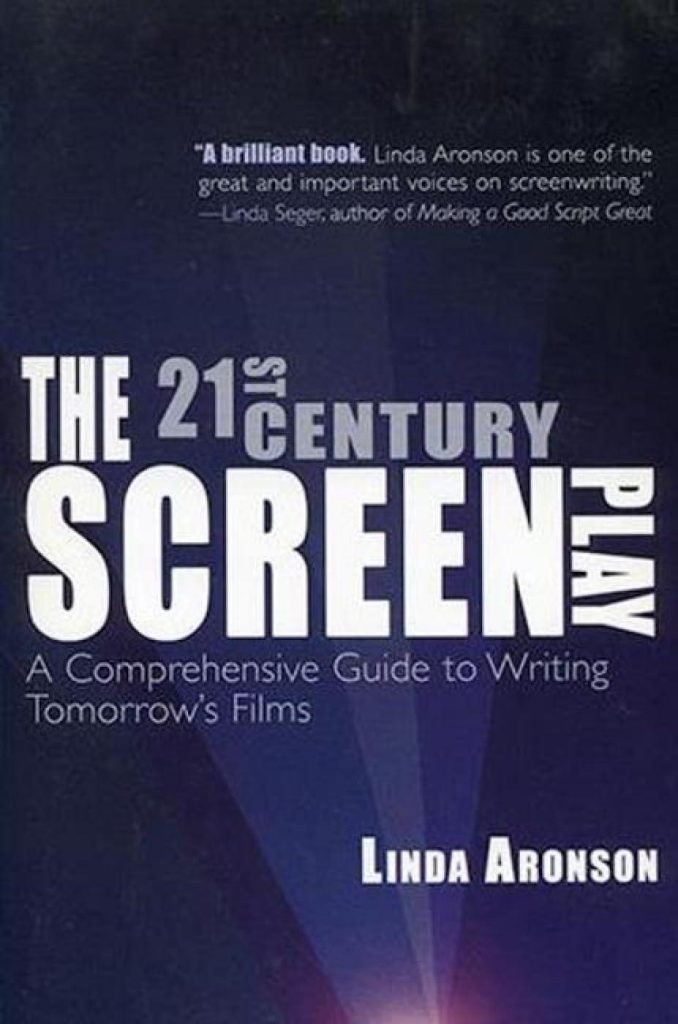
Welcome to our latest exploration in the world of screenwriting! Today,we’re diving into the pages of “21st-Century Screenplay: A Extensive Guide to Writing Tomorrow’s Films,” a book that claims to be an essential resource for both budding writers and seasoned professionals. As we thumb through its extensive 490 pages, we can’t help but marvel at how this expansive tome serves as a roadmap for navigating the complex yet thrilling landscape of contemporary filmmaking.
In the spirit of full transparency,we approached this book with high expectations,curious to see how it would build on the foundations laid by its predecessor,”Scriptwriting Updated.” What sets “21st-Century Screenplay” apart is its ambitious embrace of a wide array of genres-from the classics like The African queen and Tootsie to modern masterpieces such as Pulp Fiction and Eternal Sunshine of the Spotless Mind. each section is crafted to guide us from the early brainstorming stages to the rigorous process of drafting and revising.
Throughout our journey with this guide,we’ve uncovered not just practical tips and techniques but also valuable insights into the creative pressures faced by writers today. Whether you’re concocting a gripping short film or the next big blockbuster, this book aims to illuminate the path with advice on overcoming obstacles in a competitive industry. In this review, we will dissect the strengths and weaknesses of “21st-Century Screenplay” and determine whether it lives up to its promise of being a comprehensive manual for crafting the stories of tomorrow. So,let’s get started!
Table of Contents
Exploring the Landscape of the 21st-Century Screenplay

is a thrilling journey. We’re continually amazed by how much the craft of screenwriting has evolved. That’s where the book comes in. It provides an insightful look into the nuances of modern storytelling, blending tradition with innovation. This guide dives deep into various storytelling forms, including the increasingly popular non-linear narrative and ensemble-driven plots. With each page, we feel the author’s passion for the craft and her respect for all types of storytelling.
One thing we really appreciate is how the book doesn’t shy away from the complexities of contemporary screenwriting. It delivers real insider tips for creative writing under pressure, which resonates with many of us who have felt that crunch. The coverage on multiple protagonist structures gives us new tools to play with while crafting our narratives. It’s refreshing to find comprehensive analysis alongside practical advice-everything from plotting to character growth is tackled with clarity.
As we read, we couldn’t help but notice how the author respects the craft by analyzing successful films as case studies. The examples provide context, and they help us visualize story structures that might otherwise seem overwhelming. We’ve often found ourselves scratching our heads at certain narrative choices in films like “Pulp Fiction” or “Memento,” and this guide serves to demystify those decisions. It makes us feel more confident in our ability to write compelling, unconventional stories.
We also found it notably interesting how the book addresses the balance between structure and creativity. It encourages us to think critically about the formulaic approaches that are often peddled in other guides. Rather than simply providing a checklist of “do this, don’t do that,” it invites us to engage with our stories on a deeper level. It’s a resource not just for budding writers but also for those of us who want to refine our voice and explore new dimensions of storytelling.
unpacking Innovative Features That Reshape Screenwriting

When we dive into the world of screenwriting with the 21st Century Screenplay, we quickly realize it’s packed with innovative features that genuinely reshape how we think about storytelling. One of the book’s standout elements is its treatment of non-linear narratives and ensemble casts. It’s not just about telling a story, but how many diffrent ways that story can be told. This approach is not only refreshing but essential for anyone aiming to craft modern films that resonate. The detailed breakdown of films like Pulp Fiction and Memento offers us a great chance to analyze successful structures that don’t adhere to the customary three-act format.
Another feature we found interesting is the book’s practical advice on character development and dialog. The author provides insights that go beyond mere checklist items.Rather, we get a deep dive into the motivations and arcs of our characters, which is crucial for engaging our audience. We appreciate how she emphasizes the importance of subtext in dialogue, urging us to think critically about every line and what lies beneath it. this focus on character and dialogue elevates our writing and encourages us to explore the nuances of motivation and interaction in our scripts.
Moreover, the comprehensive analysis of different structures throughout the book showcases various storytelling methods.This isn’t just about choosing one approach over another; it’s about understanding when to apply different structures depending on our narrative needs. The way the author contrasts classic storytelling techniques with modern approaches helps us to see the versatility required in today’s film landscape. This feels especially relevant as we navigate the intricacies of contemporary audience expectations.
Additionally, the hands-on techniques related to rewriting and crafting compelling scenes set a solid framework for writers. Instead of just listing dos and don’ts, the text challenges us to rethink and refine our drafts. We learn to identify problematic plot points and understand how to effectively address them, which is incredibly beneficial for both new and seasoned writers alike. The emphasis on rewrites is a blessing; it taps into the reality that perfection often comes after multiple drafts and revisions.
the book’s innovative features not only enrich our understanding of screenwriting but also empower us to push creative boundaries.From its unique perspective on non-linear narratives to practical tips on dialogue and rewriting, this guide transforms how we approach our craft. Embracing these insights helps us to shape stories that resonate deeply in the 21st century.
Diving Deeper into Essential Concepts and Techniques

When we first picked up this book, we where immediately struck by the depth it offers, especially for aspiring screenwriters looking to make their mark in the evolving landscape of film. The comprehensive guide doesn’t just cover the basics of screenwriting; it pushes us to think about narrative structure in new ways. From classic linear storytelling to innovative non-linear formats, it’s all here. It’s like having a toolbox that not only has the right tools but shows us the many creative ways to use them.
As we turned pages, we found that the unique emphasis on non-linear and multiple protagonist structures sets this book apart from others we’ve encountered. It encourages us to explore various storytelling forms,broadening our understanding of what a screenplay can be. This encouragement to think outside the box is invaluable for those of us who want to push the boundaries of our creativity. We learned to appreciate the intricacies involved when dealing with ensemble casts or fragmented timelines that are so common in modern cinema.
Another standout feature is how the author, Linda Aronson, provides insightful analyses of classic and contemporary films. These case studies help us see how theory translates into practice. For example, when we explore the structures of films like “Pulp Fiction” or “Eternal Sunshine of the Spotless Mind,” we start connecting dots between theory and execution. The practical advice is paired with real-life examples, making the sometimes daunting task of writing a screenplay feel manageable.
Throughout the book, ther’s a recurring theme of honesty about the writing process. We appreciate how Aronson doesn’t sugarcoat the challenges of crafting a compelling screenplay. Instead, she gives us a candid look at what it means to write well – the trials, the revisions, and the eventual breakthroughs that come with hard work. This approach resonates with our own experiences as writers. It feels like the author is right there with us, guiding us through each challenge.
Feeling motivated yet? We certainly are! With a focus on both the traditional and the avant-garde elements of screenwriting, this guide is a remarkable resource. If we’re looking to refine our skills or explore new avenues of storytelling, this is definitely the book to have by our side. It’s all about pushing our creative limits, and with this guide, we feel confident we can do just that.
Real-World Applications: our Insights from Practice
When it comes to screenwriting, understanding the nuances of story structure is crucial. that’s where “21st-Century Screenplay” shines. Many of us have felt overwhelmed by conflicting advice in the field. This book stands out by weaving together traditional and innovative storytelling techniques. It’s a perfect blend for those of us who recognise the importance of adaptability in today’s dynamic filmmaking landscape.
One of the book’s standout features is its deep dive into nonlinear narratives. As we explored various examples, we found that these concepts could easily be applied to our projects. The detailed analysis of films like “Pulp Fiction” and “Memento” illuminated how complex structures can effectively enhance storytelling. It’s refreshing to have a resource that not only presents theory but breaks it down into actionable steps we can implement right away.Moreover, the author respects all types of storytelling, promoting an inclusive approach to writing. This perspective helped us feel that our own unique stories mattered. The practical methods provided in each chapter equipped us to tackle various screenplay forms-from short films to ensemble pieces. We could see ourselves applying these insights in our work, validating our creative instincts while giving us new tools to sharpen our craft.
The emphasis on rewriting and critique is another essential takeaway. There’s no sugarcoating here; the author lays out what it truly takes to refine a screenplay. For those of us who may struggle with self-doubt, this honest feedback empowers us to improve. The book teaches that every great screenplay begins with several drafts, each one inching closer to a masterpiece. It encourages us to embrace the process of rewriting,reminding us that great stories frequently enough emerge from perseverance and dedication.
In the current market landscape, continuous learning is key. “21st-Century Screenplay” offers the insights we need to evolve as writers. From understanding various story structures to gaining confidence in our own voices,this book is an invaluable resource. It hasn’t just added to our libraries; it has transformed the way we approach writing, preparing us for the demands of film and storytelling in the 21st century.
Essential Recommendations for Aspiring Screenwriters

For anyone serious about screenwriting, we recommend diving into the ins and outs of story creation with “21st-Century Screenplay: A Comprehensive Guide to Writing Tomorrow’s Films.” This essential resource offers an amazing breadth of knowledge. Whether you’re a seasoned writer or just starting out,this book gives us the tools to craft compelling narratives.With practical advice and detailed explanations, it guides us through both traditional and avant-garde storytelling techniques. The layout makes it feel accessible,allowing us to jump to relevant sections easily.

- Used Book in Good Condition
A major standout is how the book delves into nonlinear narrative structures and multiple protagonists, offering a fresh perspective compared to many other screenwriting books. Linda Aronson provides not just the “how,” but the “why” of writing in complex ways. We can appreciate how she respects various storytelling methods, helping writers understand what techniques will best fit their unique ideas. The numerous examples from popular films illustrate her points well, allowing us to see practical applications of the theory. This hands-on approach makes complex concepts easier to grasp and implement.
Many readers, including ourselves, have found that her insights lead to significant improvements in our writing. The book’s breakdown of scene construction and dialogue writing is especially helpful for anyone looking to enhance their script’s emotional depth and pacing. As we work through different sections, it’s clear that aronson does not shy away from the hard truths; she encourages us to refine our work rigorously. This book isn’t about shortcuts; it’s about honest craftsmanship and growth as a screenwriter, making it a must-have in our collection.
While exploring the material, we appreciate the supplemental tips on overcoming the pressures of creativity and maintaining productivity. Whether it’s finding fresh ideas or managing timelines, the insights she shares are incredibly valuable. Every turned page brings not just new information, but also renewed motivation. If you’re seeking a comprehensive guide that covers everything from foundational elements to contemporary techniques in screenplay writing, we honestly can’t recommend it enough.
Customer Reviews Analysis
Customer reviews Analysis
As we delve into the customer reviews for 21st-Century Screenplay: A Comprehensive Guide to Writing Tomorrow’s Films, it’s clear that opinions are passionate and varied. The feedback we have collected showcases both overwhelming praise and some contrasting perspectives, providing us a multifaceted view of this acclaimed screenwriting guide.
Overall Sentiment
Many reviewers laud the book as a groundbreaking resource. The book’s emphasis on non-linear structures and multiple protagonist narratives stands out, appealing to contemporary screenwriters who wish to break from traditional molds. Yet, a few reviewers caution that the academic tone and density of the content might not resonate with all aspiring writers.
Highlights from the Reviews
| Positive aspects | Critiques |
|---|---|
| In-depth analysis of screenwriting essentials | Heavy academic tone may deter casual readers |
| Focus on non-linear storytelling techniques | Some feel it lacks originality, drawing heavily from existing works |
| Comprehensive coverage of story structures | May not cater to beginners seeking simple guidance |
| Accessible, practical methodologies for complex narratives | Some reports of overwhelming content richness |
What Our Readers Are Saying
Several customers stood out with their strong endorsements. One mentioned, “This is the best guide that there is,” emphasizing the depth and practical advice available within its pages. Another reviewer highlighted, “Aronson doesn’t pull any punches… what is needed, what is often omitted, what is done wrong, and what you can do to fix it,” showcasing the book’s commitment to honesty and clarity in screenwriting.
On the flip side, a reviewer noted that it feels a bit ponderous, comparing it to academic submissions rather than a light, engaging read. For those looking for an exhilarating dive into screenwriting that feels less like a textbook, this comment resonates strongly.
In Summation
Through exploring these reviews, we appreciate that 21st-Century Screenplay sparks enthusiasm among experienced writers who crave a deeper understanding of narrative complexity. Yet, new writers or those who prefer a more straightforward approach may find it challenging. As with any tool in our creative toolkit, understanding our own needs is key to making the most of what this comprehensive guide has to offer.
Pros & Cons
Pros & Cons
In our exploration of “21st Century Screenplay: A Comprehensive Guide to Writing Tomorrow’s Films,” we’ve compiled a balanced view of its strengths and weaknesses. This will help us better understand if this book is the right fit for our screenwriting journey.
| Pros | Cons |
|---|---|
| Comprehensive Coverage: The book is an all-in-one resource covering various styles, from classic films to avant-garde, making it versatile. | Lengthy Read: At 490 pages, it may feel overwhelming for those looking for a fast reference guide. |
| Practical Tips: Offers time-effective writing strategies and creativity boosters, especially valuable under pressure. | Subjectivity in Style: Some may find the author’s writing style unconventional, which might not appeal to all readers. |
| Insider Insights: Provides behind-the-scenes insights that can enhance our understanding of the industry. | Price Point: Depending on budget constraints, the price might be higher compared to other screenwriting guides. |
| Suitable for All Levels: Whether we are newcomers or veterans, there are valuable lessons for every screenwriter. | Potential Information overload: With so much content, we might struggle to distill actionable advice from the wealth of information. |
| Appeal to Diverse Genres: The book addresses various genres, making it relevant for different types of projects. | Publication Date: published in 2011, some examples or references may feel dated to current trends in film. |
while we’ve highlighted both the advantages and disadvantages of “21st century Screenplay,” our perspective is that the pros significantly outweigh the cons. It serves as a valuable asset for aspiring and experienced screenwriters alike, offering a wealth of knowledge that can be beneficial when crafting our stories.
Q&A
Q&A Section:
Q1: What makes “21st-Century Screenplay” stand out from other screenwriting guides?
A: We believe the “21st-Century Screenplay” stands out due to its comprehensive approach. It doesn’t limit itself to a single aspect of screenwriting; rather, it covers a vast range of topics-from classic narratives to avant-garde styles and everything in between. This multifaceted perspective caters to screenwriters of all levels,whether they’re newbies or seasoned pros.
Q2: Is this book suitable for beginners in screenwriting?
A: absolutely! We found that this guide is written in an accessible manner, making it easy for beginners to follow along. With practical insights and step-by-step instructions,it serves as a solid foundational text for anyone looking to dive into the world of screenwriting.
Q3: How does the book address creativity under pressure?
A: In our reading, we noted that “21st-Century Screenplay” offers a variety of insider survival tips specifically designed to help writers maintain their creativity, even when the pressure mounts.These practical strategies can empower us to tackle challenges and push through writer’s block or tight deadlines.
Q4: Can “21st-Century Screenplay” help with specific genres?
A: Yes! One of the book’s strengths is its versatility. Whether we aspire to write short films, feature-length blockbusters, or art house films, this guide provides insights tailored to different genres, helping us adapt our writing to fit our unique vision.
Q5: how does the book approach the rewriting process?
A: We found that the book dedicates significant attention to the rewriting phase, emphasizing its importance in screenwriting. It offers practical advice on how to revise effectively, encouraging us to view feedback as a tool for growth rather than criticism.
Q6: What is the significance of the case studies mentioned in the book?
A: The inclusion of case studies from notable films such as “Pulp Fiction” and “Eternal Sunshine of the Spotless Mind” enriches our understanding by illustrating how successful screenwriters approached their craft. These real-world examples serve to inspire and guide us through our writing journey.
Q7: Is the book up-to-date with current industry trends?
A: While the original version was published in 2011, we believe the insights and techniques discussed remain relevant. The fundamental principles of storytelling and screenwriting haven’t changed drastically, and the book’s comprehensive scope offers timeless advice that is applicable today.
Q8: Would we recommend “21st-Century Screenplay” to fellow writers?
A: Yes, without hesitation! We find this book to be an invaluable resource, offering both depth and breadth when it comes to screenwriting. Whether we’re just starting or looking to refine our skills, this guide has something to offer for everyone in our writing community.
Transform Your World
As we wrap up our exploration of “21st-Century Screenplay: A Comprehensive guide to Writing Tomorrow’s Films,” it’s clear that this book is not just a tool for aspiring writers; it’s a roadmap to the future of storytelling in film.With its comprehensive approach, blending classic wisdom with modern techniques, we can confidently say that it caters to writers of all levels-whether you’re just beginning your journey or are a seasoned professional looking to refine your craft.
The insights offered within these 490 pages have the potential to inspire and empower us to bring our unique visions to life on screen. From nurturing that initial spark of creativity to navigating the often daunting realities of rewriting and market competition, this guide is a valuable companion in our screenwriting endeavors.
So why wait? if you’re ready to elevate your writing game and step into the world of 21st-century storytelling, we encourage you to dive into this essential resource.
Check it out here: 21st-Century Screenplay on Amazon. Happy writing!