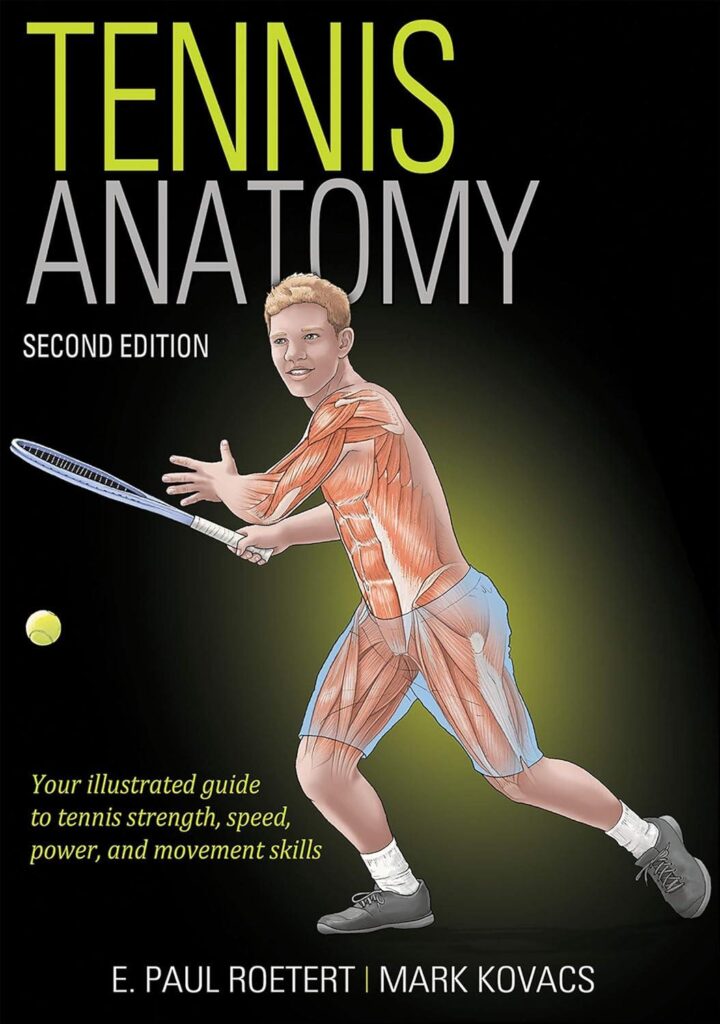
Welcome to our latest product review, where we dive into the dynamic world of tennis training with the insightful book, Tennis Anatomy, Second Edition.As avid tennis enthusiasts and committed players ourselves, we certainly know all too well the physical challenges the sport presents. Whether it’s building strength for that explosive serve or honing our agility for swift court coverage, we are always on the lookout for ways to elevate our game.
Tennis Anatomy provides a refreshing perspective on how we can train more effectively by understanding the intricate movements our bodies undertake during play. Packed with over 75 meticulously designed exercises, this thorough guide emphasizes a movement-based approach that resonates with the unique demands we experience on the court. With full-colour anatomical illustrations illustrating how our muscles work in real-time,this book empowers us to make informed choices about our training routines.
Join us as we explore the extensive range of exercises-targeting everything from our lower bodies to our wrists-that promise to enhance our performance while safeguarding against common injuries. With insights from esteemed authors E. Paul Roetert and mark Kovacs, whose vast experience with the United States Tennis Association (USTA) adds credibility, Tennis Anatomy is poised to be a game-changer in our training regimen.Let’s uncover together how this guide has the potential to transform our approach to tennis and help us dominate the competition!
Table of Contents
Overview of Our Journey with Tennis Anatomy

Our journey with Tennis anatomy has been nothing short of enlightening. We initially picked up this book with the hope of enhancing our understanding of the game and mastering the nuances of tennis performance. The moment we opened the pages, we were greeted by stunning anatomical illustrations and well-structured exercises tailored for serious players. This visual and practical approach made grasping complex concepts a lot easier. We found ourselves quickly drawn into the wealth of knowledge it offered, knowing that we were about to dive deep into the mechanics of our favorite sport.
From the very beginning, we appreciated the way Tennis Anatomy lays out its content. The detailed breakdown of muscle groups involved in each stroke is a game-changer. We found ourselves captivated incidentally exercises are carefully linked to tennis movements. Each illustration and description guided us through understanding not just how to perform the exercises, but why they are essential for injury prevention and performance enhancement. The authors, with their extensive experience in tennis coaching, have certainly crafted something that resonates with both novices and seasoned players alike.
While exploring the book, we realized that Tennis Anatomy isn’t just another collection of workout regimens-it’s a comprehensive guide to understanding our bodies in relation to the sport. Knowing which muscles to target made our training feel more purposeful. We could easily identify weak points and create training plans that aligned with our game style. The only thing we wished for was a bit more structure in the layout,like suggested workouts for specific skill levels. Still, the quality of the information was top-notch, making this journey invaluable for anyone looking to elevate their game.
As we moved through the exercises, we started to feel the difference in our performance. our serves became more powerful,and our footwork improved,all thanks to exercises that focused on explosive movements and agility. The book also does a fantastic job of addressing common injuries, ensuring we remain healthy while pursuing our passion. Our experience with Tennis Anatomy has left us feeling more learned and equipped to tackle the challenges on the court.
Tennis Anatomy has transformed the way we perceive training and performance in tennis. With its blend of detailed anatomy,clear instructed exercises,and insightful coaching perspectives,it’s not just a book but a long-term resource for serious tennis enthusiasts. If you’re ready to take your game to the next level, we encourage you to check it out. Believe us, it makes a world of difference.
Unpacking the Essential Features That Enhance Our Game
We often find ourselves searching for the right resources to improve our tennis skills, and Tennis Anatomy is a gem that meets our needs perfectly. This book dives deep into the physical mechanics of tennis, emphasizing a movement-based approach that resonates with us. One of the standout features is the comprehensive range of exercises-over 75 tailored specifically for tennis. These exercises are not only designed to build strength, speed, and agility but also focus on injury prevention, which is crucial for all of us who play regularly.
Each exercise comes with clear, step-by-step instructions and stunning anatomical illustrations. These visuals show us which muscles we are working, eliminating any guesswork. Knowing exactly which muscles are engaged during a serve or a forehand makes our practice sessions far more effective. Plus, the book provides insights into proper recovery and mechanics for acceleration and deceleration, which are essential for enhancing our overall performance on the court.
We’ve come to appreciate that this guide goes beyond just customary drills.By understanding our body’s biomechanics, we can develop personalized training regimens. This is a game-changer for those of us aiming for competitive play. It encourages us to move away from rote memorization of drills to crafting smarter, more focused training plans based on our unique needs.The emphasis on sound biomechanics and individual differences makes this book a vital resource not only for players but also for coaches dedicated to elevating their students’ performance.
It’s evident that Tennis Anatomy isn’t just another fitness book. Rather, it challenges us to rethink how we approach training in tennis. The simplicity of the routines means we can easily modify them based on available equipment-no weights? We can use everyday items like water jugs or backpacks. This flexibility enables us to keep our fitness journey intact, regardless of our environment, and ensures we are always ready to ace the competition.
With unparalleled insights and practical applications, Tennis Anatomy is highly beneficial for serious players and coaches alike. It empowers us to understand our bodies better while providing the tools necessary for continuous improvement. We are excited to incorporate these principles into our routine-after all, getting stronger and more agile is the key to dominating the court!
Delving Deeper: Insights from Our Experience
When we first opened the pages of “Tennis Anatomy,” we were promptly struck by its detailed approach to understanding the mechanics of tennis and the human body. This book delves into how we can leverage our anatomy to improve performance on the court. For those of us who take the game seriously, this resource sheds light on the often-overlooked physiological aspects of tennis. The wealth of knowledge contained within these pages is not just informative; it’s transformative for our training.
The clear anatomical illustrations coupled with straightforward exercise descriptions help us grasp which muscles are activated during specific tennis strokes. This clarity is crucial, especially as we work to prevent injuries and enhance our strength and agility. We particularly enjoyed the way the authors, both seasoned professionals, have organized the content to reflect a movement-based approach. It’s not just about doing exercises; it’s about understanding how these exercises translate to better performance during actual gameplay.
Throughout our exploration of the suggested exercises, we couldn’t help but appreciate how “Tennis Anatomy” challenges the conventional norms of many sports training resources. It encourages us to think critically about our training regimens. The exercises themselves, while perhaps not groundbreaking, are refreshingly straightforward. They allow us to customize our regimens based on our individual needs. This is especially beneficial when we hit a plateau and need something new to reinvigorate our practice.
Spending time with this book deepened our understanding of how to intelligently structure our workouts. Unlike other tennis books that focus on general drills and tips, this resource arms us with the anatomical principles we need to craft our own unique exercises. It speaks to serious athletes, offering insights that are pivotal in developing tailored training plans and preventive strategies against injury.
In our experience, ”Tennis Anatomy” serves as a bridge between knowledge and submission. The blend of anatomy and sports science resonates deeply with us, reminding us of the importance of conditioning our bodies for the specific demands of tennis. It’s an invaluable resource that will be indispensable in our journey toward achieving peak performance. For anyone serious about tennis, dedicating time to explore the gems contained in this book is a must.
Tailoring Tennis Anatomy to Our Unique Needs
When we think about our tennis journey, it’s easy to get overwhelmed by the sheer amount of information out there. Though, “Tennis anatomy” gives us a refreshing perspective. This book dives deep into the human body, ensuring that our training aligns perfectly with our unique physical requirements. The beauty of this resource lies in its ability to break down complex concepts into digestible parts, allowing us to understand how our bodies function during play. It’s like having a personal coach who not only shows us what to do but explains why we’re doing it.
In our experience, one of the standout features is how the exercises are tailored to mimic the specific demands of tennis. With over 75 exercises meticulously illustrated,we feel empowered to develop our strength and agility where it counts. That’s crucial for anyone looking to improve performance on the court. The clear step-by-step descriptions highlight which muscles are in action for moves like serves and volleys. As we can visualize this, it becomes easier to connect the dots between our training and on-court performance.
Another aspect we appreciate is the focus on injury prevention. It ensures that we’re not just working hard but also smart by protecting our bodies from common tennis injuries. the anatomical illustrations add a layer of understanding that helps avoid pitfalls while training. We find this particularly valuable as it encourages us to engage more thoughtfully with our fitness regime. Rather than simply going through the motions, we’re learning to appreciate the ‘why’ behind each exercise, which in turn leads to more effective training sessions.
What’s most exciting is that this resource isn’t just for seasoned players. Even if we’re just starting out, it equips us with a knowledge base that’s essential for our progress in this sport. The information is rich enough that it’s sure to serve us well as we progress. Rather than paring down our training or feeling lost among generic advice, we can grow in our understanding and enhance our performance in a way that resonates with our personal athletic journey.
Ultimately,”Tennis Anatomy” isn’t just a collection of exercises; it’s an invitation to tailor our training to our specific needs.By aligning our workout sessions with its principles,we’ll not only see improvements in our game but also gain lifelong knowledge about our bodies on the court. It’s a must-have for anyone serious about elevating their tennis experience.
Final Thoughts and Recommendations for Fellow Tennis Enthusiasts
When it comes to enhancing our tennis skills, “Tennis Anatomy” is a resource that truly stands out. This book provides a thorough understanding of the human body as it relates to our sport. The anatomical illustrations and clear explanations make it easy for us to grasp how each muscle contributes to our performance on the court. The book emphasizes a movement-based approach to conditioning, which resonates with many of us who strive to improve our strength, speed, and agility.
One of the features we appreciate most is the extensive list of exercises designed specifically for tennis players. With over 75 exercises highlighted, we can easily find routines that target the essential muscles for serves, forehands, and backhands. this variety ensures we have options whether we aim to prevent injuries or recover from them. Furthermore, the step-by-step descriptions allow us to perform the exercises safely and correctly, translating our effort directly into on-court performance enhancements.
While “Tennis Anatomy” is aimed at serious athletes, we can’t ignore its foundational value for coaches and fitness enthusiasts alike. Each chapter provides insights that can definitely help us develop personalized training plans. For those of us who are committed to tennis, this book forms an invaluable part of our toolkit, helping us understand not just how to play, but how our bodies respond to the game’s demands. We’re able to connect our training with real-life applications, making our practice more efficient and focused.
we wholeheartedly recommend “Tennis Anatomy” to anyone keen on improving their game. Whether you’re a seasoned player or a coach looking to deepen your knowledge, this book is a fantastic investment. It opens up a world of understanding about the interplay between the body and tennis, which is critical for those who want to elevate their performance.Ready to take your training to the next level? Buy Now on Amazon
Customer Reviews Analysis
Customer Reviews Analysis
As we dive into the reviews for Tennis Anatomy, a clear picture emerges of its impact on both aspiring and seasoned tennis players. Let’s break down the feedback we’ve collected, highlighting themes, insights, and overall sentiments shared by readers.
Common Themes
- Depth of Knowledge: Many reviewers emphasize the book’s thorough exploration of anatomy and biomechanics in relation to tennis, suggesting it goes beyond the surface-level tips frequently enough found in other tennis books.
- Targeted Exercises: Customers appreciate the clearly illustrated exercises that are tailored for specific muscle groups critical to enhancing performance and preventing injuries.
- suitability for Serious Players: A recurring sentiment is that Tennis Anatomy is designed for serious athletes and coaches rather than casual players. Reviewers caution that the content may overwhelm those looking for lighter, recreational guidance.
- Need for Structured Workouts: Some users expressed a desire for preset workout plans or schedules,indicating that while the exercises are invaluable,they could benefit from additional organization for varied skill levels.
Customer Sentiments
| Sentiment | Examples from Reviews |
|---|---|
| Positive | “Great for learning more. Easy to read.” |
| Neutral | “This is a great book. I just wish that the formatting had been a bit different.” |
| Negative | “No one, except tennis professionals, would have time to do all the exercises in the book.” |
Overall Impressions
the feedback on Tennis anatomy reveals that it is indeed a comprehensive resource well-received by those who are serious about tennis training. Many of us will find it enlightening and essential for understanding the complexities of our bodies as athletes. However, those who are more casual about their tennis pursuits may find the depth and detail overwhelming.
Ultimately, this book positions itself as a critical asset for dedicated players and coaches, as it shifts the focus from merely executing techniques to understanding the body mechanics that support performance. We recommend that anyone considering this book should reflect on their commitment to training and be prepared for a deeper dive into the science of tennis.
Pros & Cons
Pros & Cons of Tennis Anatomy
As we delve deeper into our review of ”Tennis Anatomy,” it’s essential to weigh the pros and cons of this comprehensive training guide. By doing so, we hope to provide a balanced perspective on the product’s effectiveness and overall value for tennis enthusiasts.
| Pros | Cons |
|---|---|
| comprehensive training approach that covers strength, speed, and agility. | Some exercises may require access to specialized equipment. |
| Over 75 exercises specifically tailored to the physical demands of tennis. | Not all drills may be suitable for absolute beginners. |
| Stunning full-color anatomical illustrations aid in understanding. | focus on scientific aspects may not appeal to those looking for more general tips. |
| Includes injury prevention strategies and recovery tips. | Some users may find the information overwhelming due to the detailed technical content. |
| Written by experts from the USTA with vast experience in tennis training. | Lack of interactive elements (e.g., videos or online support) may limit engagement for some readers. |
Ultimately, while “tennis Anatomy” offers a treasure trove of valuable insights and exercises that can propel our tennis game to new heights, it’s crucial to consider our own training needs and preferences. This guide is a robust resource, but its effectiveness will vary based on our individual goals and existing skill levels.
Q&A
Q&A section: Tennis Anatomy Review
Q: What makes “Tennis Anatomy” different from other tennis training guides?
A: “tennis Anatomy” stands out due to its unique movement-based approach to conditioning. With over 75 targeted exercises that mirror the physical demands of tennis, it helps us train our bodies as integrated units. The stunning anatomical illustrations not only enhance our understanding of how each exercise works but also connect the movements directly to our performance on the court.
Q: How does the book address injury prevention?
A: One of the book’s key features is its focus on injury prevention.It includes exercises specifically designed to protect against common tennis injuries and provides valuable tips for recovery. This ensures that we can maintain our training regimens while minimizing the risk of setbacks.
Q: Is the content suitable for beginners or only for advanced players?
A: The beauty of ”Tennis Anatomy” lies in its accessibility. The step-by-step descriptions of each exercise cater to players of all levels-from beginners to advanced athletes. Whether we are just starting out or looking to refine our skills, this resource is equipped to meet our needs.
Q: How crucial are the anatomical illustrations in the book?
A: the full-color anatomical illustrations are incredibly important. They provide us with a visual understanding of which muscles are engaged during each exercise. This can enhance our training effectiveness by allowing us to target specific areas that need improvement, ensuring we maximize our performance on the court.
Q: Can we use “Tennis Anatomy” to create our own training programs?
A: Absolutely! The detailed exercise descriptions and categorization by body region or skill (like serving or volleying) empower us to design personalized training programs that suit our specific needs and goals.This versatility allows us to tailor our workouts effectively.
Q: How does this book support proper mechanics in tennis?
A: “Tennis Anatomy” provides detailed insights into proper acceleration and deceleration mechanics,rotational strengthening,and lateral movement skills. Understanding these mechanics is crucial for executing powerful shots and maintaining agility, helping us to improve our overall game.
Q: What qualifications do the authors have?
A: authors E. Paul Roetert and Mark Kovacs bring a wealth of experience, having worked at the highest levels of the United States Tennis Association (USTA). Their expertise in tennis training and performance enhances the credibility of the information provided in the book, making it a reliable resource for serious players.
Q: Can we expect results by following the guidelines in “Tennis Anatomy”?
A: While outcomes can vary depending on individual effort and consistency,many users report notable improvements in strength,speed,and overall tennis performance by diligently following the exercises and principles outlined in the book. With commitment, we can certainly enhance our game and work towards dominating the competition.
Seize the Opportunity
“Tennis anatomy” stands out as an exceptional guide for anyone looking to elevate their tennis training and performance. With its comprehensive approach to conditioning, stunning anatomical illustrations, and a wealth of exercises tailored explicitly for the physical demands of the game, we believe this book can truly transform the way we train on the court.
Whether you’re a beginner aiming to build a solid foundation or a seasoned player looking to refine your skills and prevent injuries, the insights provided by E. Paul Roetert and Mark Kovacs equip us with the tools to compete at our best. As we lace up our shoes and head to the court, let’s embrace the knowledge that “Tennis Anatomy” offers a path to achieve our personal best.Ready to take your game to the next level? Explore the depths of your athletic potential by getting your copy of “Tennis Anatomy” today! Click here to seize the opportunity: Get Tennis Anatomy Now!