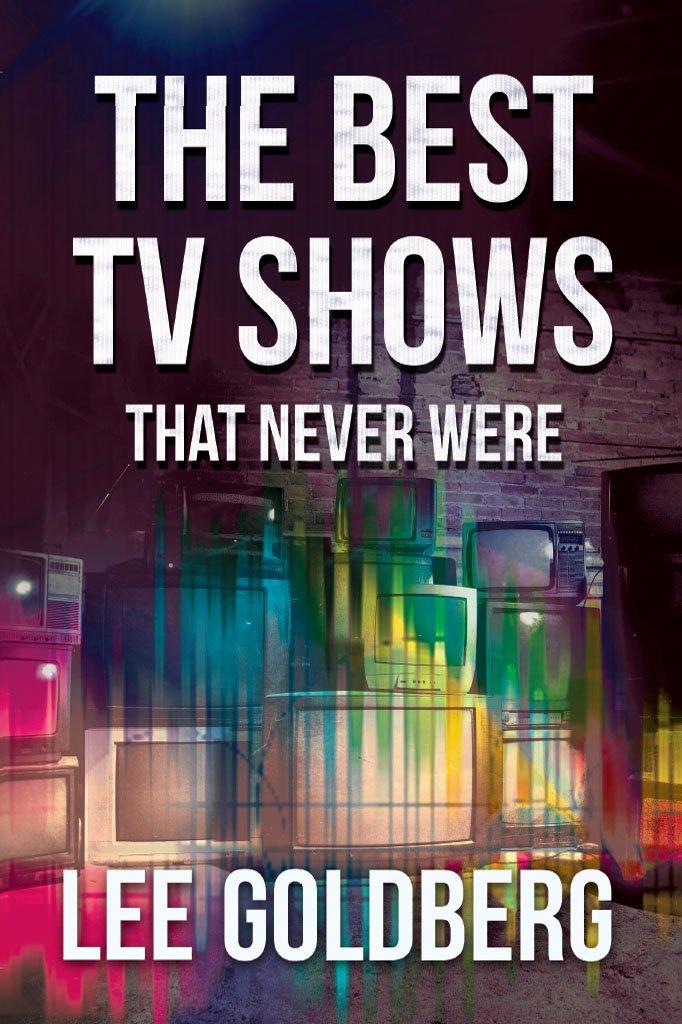
Welcome to our latest exploration into the quirky world of television-the realm of pilots that never quite made it to your screens. Today, we’re diving into “The Best TV Shows That Never Were,” a delightful gem that promises to entertain, educate, and maybe even bewilder us. This book is a treasure trove of 300 fascinating, laugh-out-loud, and sometimes baffling TV show concepts from the golden age of television, spanning from 1955 to 1990.
With insight from Lee Goldberg, we embark on an entertaining journey that showcases the best and worst of unsold pilots, from a Samurai D.A. to an invisible alien baby.as fans of television history and pop culture, we found ourselves both amazed and amused by the creativity (or lack thereof) that producers dared to dream up. With accolades from notable publications calling it “a must-browse for media freaks” and “full of fool’s gold and genuine TV treasures,” we couldn’t resist the urge to turn the pages and see what wonders awaited us.
Join us as we recount our experience with this lively read, dig into its most outrageous entries, and celebrate the sheer audacity of the show concepts that never graced the airwaves. Whether you’re a die-hard TV buff or just looking for some bathroom reading that’s anything but ordinary, this book promises to tickle your imagination and leave you questioning, “What if?”
Table of Contents
Exploring the Unseen gems of Television History

When it comes to television,we often reflect on our favorite shows,the ones that made it big and captured our hearts. But what about the shows that never saw the light of day? That’s where “The Best TV shows that Never Were” comes into play. This captivating read dives into the world of unsold TV pilots,offering us a glimpse of what could have been. It’s a treasure trove for anyone intrigued by television history, showcasing around 300 fascinating ideas that never got to grace our screens. Let’s check it out together!

- Amazon Kindle Edition
The excitement of peeking behind the curtain is palpable as we leaf through the pages. We discover proposals that range from bizarre to brilliant, with each entry accompanied by a synopsis that pulls us in. We can’t help but chuckle at plots like a singing FBI agent or a samurai district attorney. It sparks our imagination-how different the TV landscape could have been if these gems had been picked up! The book not only highlights pitches but also provides context on why many pilots didn’t make it, revealing the industry’s intricacies that we might not be aware of.
What’s intriguing is the author’s outlook on timing and star power in pilot sales. As we read through the stories of pilots that emerged and faded, we start to appreciate how unpredictable the landscape of television can be. The variety of genres and concepts showcased within these unsold pilots reminds us of the vast creativity that exists outside the hits we certainly know.It’s a little mind-bending to think about how close we were to seeing shows that could have been major hits, right?
The joy of flipping through this book is in discovering not just the ideas themselves, but also the talent behind them. We learn about actors and writers who took part in these projects, some of whom are now household names. It adds an extra layer of intrigue to the experience, prompting us to wonder how these careers might have been impacted if the shows had made it to air. While we digest these stories, we can’t help but get a sense of nostalgia, reminiscing on our own viewing habits and the shows that defined our childhoods.
Lastly, it’s meaningful to note that while the book is a marvelous addition to our collection, it does focus mainly on pilots from 1955 to 1990. we wish there were updates on modern pilots to provide a wider context. nonetheless, this book serves as a perfect conversation starter among friends who appreciate the art of storytelling through television. So, if you’re ready to explore the hidden gems of television history, we encourage you to delve into this unique compilation. It’s an enjoyable read that’s perfect for casual browsing or in-depth exploration.
Ready to purchase? Get it now on amazon
Diving Into Forgotten Storylines and Characters
We’ve all had that moment when we stumble across an captivating premise that never made it to our screens. It’s like a hidden treasure, tucked away in a vault of forgotten ideas. “The Best TV Shows That Never Were” takes us on a fascinating journey, exploring over 300 unsold pilots with concepts that could have reshaped our viewing habits. We can’t help but wonder,what if these shows actually made it to air? Woudl they have sparked a new fandom,or simply faded into obscurity? The creative flair displayed in these synopsis gives us quite the food for thought.
As we dive deeper, we come across a range of storylines and characters, from the whimsical to the bizarre. Imagine a show featuring a Samurai D.A. or an invisible alien baby; these ideas seem ripe for exploration and adaptation. Each description pulls us into a world that never had the chance to flourish on screen. We love how the author, Lee Goldberg, highlights not just what went wrong, but also what makes these concepts uniquely engaging. There’s something infectious about the creativity that buzzes in these pages, making us laugh, scratch our heads, and occasionally, weep for what could have been.
Reading through “The best TV Shows That Never Were,” we find ourselves daydreaming about how some of these pilots, like the innovative cop drama “The bakery,” could flourish in today’s television landscape. It’s a clever twist on the cop show format that could resonate with viewers today, blending past and future into a compelling narrative. This imaginative style is what makes this collection of unsold pilots not just a history of television, but a reminder of how creativity can sometimes get lost in the shuffle. We can only hope that one day,these forgotten gems may get their much-deserved shot at revival.
The book celebrates not just the ideas but also the talent involved. We chuckle at the surprise appearances of stars like Harrison Ford and William Shatner in these pilots, reminding us of the endless possibilities in casting.Each pilot isn’t just a script; it’s a living testament to the risk-taking nature of television production. Even if these shows never aired, they contribute richly to the tapestry of television’s history. We find it refreshing to peek behind the curtain and appreciate all that goes into a triumphant pilot, even when it doesn’t make the cut. The book’s nostalgic vibe resonates, transporting us back to a time when television was potential-laden with every new project.
Captivating Themes That could Have Redefined TV
When we dive into “The Best TV Shows That Never Were,” it’s like peering into a treasure chest of untold stories. Each forgotten pilot offers a glimpse at captivating themes that could have changed the landscape of television as we know it. Can you imagine a show centered around a Samurai district attorney? Or perhaps an invisible alien baby getting into all sorts of outrageous misadventures? It’s hard not to feel a sense of nostalgia mixed with regret as we consider the possibilities.
We often talk about how quality content is king, yet it’s fascinating how many shows never made it past the pilot stage. This collection presents 300 unsold television ideas from 1955 to 1990, each with its unique flair and creativity. While not every idea was gold, many resonate with themes that remain relevant today. The exploration of psychic abilities, cyborgs, and unconventional heroes reflects a cultural zeitgeist that still resonates in today’s programming landscape.
Exploring these unsold pilots feels like a walk down memory lane. Some of the concepts seem surprisingly fresh, and we can’t help but wonder what a pilot featuring a singing FBI agent would have looked like.The author, Lee Goldberg, not only lists these fascinating pilots but also shares his insights on what could have made them successful. He emphasizes that timing, star power, and market trends often determine whether a show sees the light of day, an intriguing commentary on our entertainment industry.
what’s particularly compelling is the notion of “what could have been.” Each pilot represents a missed opportunity, and it’s hard not to feel a little wistful. As television viewers, we thrive on innovation and new narratives. The eclectic mix of genres in these unsold shows hints at the rich diversity we enjoy today. With the rise of streaming services and a renewed appetite for unique programming, many of these concepts could still find their time in the spotlight. That longing for uncharted stories makes this book a delightful read for any TV aficionado.
“The Best TV Shows That Never Were” serves not only as an excavation of popular culture but also as a reminder of the sheer creativity that has graced television. While some of these pilots may be lost to time, their compelling ideas certainly deserve our attention and contemplation. We can’t help but hope that one day, some of these captivating themes will see the light of day in new forms.
Our Take on Unfinished Tales and Frustrating Endings
When we dive into “The Best TV Shows That Never Were,” we can’t help but resonate with the sadness of unfinished narratives and missed opportunities. This book is an exploration of unsold television pilots, showcasing a time capsule of creativity that television executives deemed unworthy. Each entry sparkles with potential, leaving us imagining the stories that could have unfolded on our screens. The thrill of discovering these quirky concepts is definitely a rollercoaster ride of emotions, from amusement to mild frustration at what could have been.
As we leaf through the pages, the imaginative ideas bloom before our eyes. Each pilot tells a unique story, and we find ourselves oddly captivated by the thought of what could have been. There’s a charm in the bizarre combinations-a samurai district attorney, such as-that tantalizes our imaginations. it’s hard not to feel a pang of regret that these innovations never turned into a fully realized show. Rather, they exist in this alternate universe where creativity met the unfortunate fate of a network’s cold shoulder.
Moreover, this book also serves as a reflection of its time, shedding light on television trends and the network’s heavy hand in shaping what gets produced. We see how trends and timing significantly impact what makes it to the living rooms of America. There’s an engaging discussion about how the television landscape has evolved, hinting at the cyclical nature of creativity and culture. It’s a captivating reminder that sometimes, the road not taken can be just as compelling as the one we’ve traveled.
we’ve garnered more than just entertainment from this collection. It invites us to ponder the essence of storytelling and the resilience of creativity in face of rejection. We can’t help but believe that some of these pilots, if given a chance, could have forged new paths in television history. So many features in this captivating book leave us asking-what if? The stories may remain unfinished, but their legacy lingers, igniting our imaginations.
Why These Shows Deserve a Second Look in the Spotlight
When we dive into “The Best TV Shows That Never Were,” we uncover a goldmine of creativity that simply never got the chance to shine on screens. Each pilot mentioned holds the potential for something unique, tapping into ideas that range from hilariously absurd to intriguingly innovative. As fans of the medium,we can’t help but wonder how these concepts might resonate with today’s audiences. imagine a network taking a chance on a show about a Samurai District Attorney or a singing FBI agent-sounds familiar, right?
Many of these unsold pilots feature captivating premises that echo trends we see thriving in current TV culture. The rise of shows that blend genres, like sci-fi mixed with family drama, reflects how the entertainment industry is always searching for fresh narratives. The pilots we read about not only showcase a variety of influences but also highlight a pivotal moment in television history. They remind us that sometimes, the most fascinating ideas slip through the cracks, often due to factors beyond the creative team’s control-timing and market trends play a huge role.
It’s easy to overlook pilots that didn’t catch a network’s eye, but there’s something refreshing about looking back at these missed opportunities. These shows remind us how varied television can be and how even the wildest ideas deserve their moment. As we leaf through the pages of the book, we can’t help but think how different the landscape might be if only these pilots had been given the green light. Who knows? A successful revival or reimagining of these ideas could resonate with audiences just as strongly today.
This collection does more than list failed shows; it serves as a nostalgic nod to the creativity that fuels the ever-evolving TV narrative. with a renewed interest in cult classics and retro revivals, revisiting these forgotten gems gives us a chance to celebrate the quirks and whims that characterize our beloved television history. Whether it’s for the laughs or the genuine intrigue, it’s clear that these shows deserve another chance in the spotlight.
Customer Reviews analysis
Customer Reviews Analysis
In our exploration of “The Best TV Shows That Never were,” we gathered a variety of reviews that paint a multifaceted picture of this intriguing book. Readers have shared their thoughts, ranging from gratitude for its nostalgic appeal to critiques regarding its scope and organization. Below, we summarize the key themes from the reviews we’ve analyzed.
| review Theme | Description |
|---|---|
| Nostalgic Appeal | Many readers resonate with the nostalgic elements, recalling their love for classic television and enjoying the insight into failed pilots. |
| Interesting Content | Reviewers found the plots of the unsold pilots intriguing and even suggested that some could succeed in today’s television market. |
| Limited Scope | Several critiques pointed out that despite the reissue, the content only covered pilots from 1955 to 1990, leaving out modern developments in television. |
| Confusing Organization | Some readers expressed frustration over the book’s organization, preferring a more straightforward alphabetical listing of pilots rather than thematic categories. |
| Light Reading | Reviewers enjoyed the book as a light read, ideal for casual enjoyment rather than as an exhaustive reference guide. |
our review suggests that while “The Best TV Shows That Never Were” holds an esteemed place for fans of television history, it also presents areas for improvement, particularly in updating its content and enhancing its usability as a reference resource. The blend of nostalgia, interesting insights, and a few organizational hiccups makes this book a fascinating read for those curious about the pilots that might have been big hits-or complete misses.
Pros & Cons
Pros & Cons
Pros
- Unique Insights: This book uncover a fascinating look at TV pilots that never made it to air, giving us a chance to appreciate the creative process behind unsold projects.
- Entertainment Value: With its mix of bizarre and humorous concepts-like a samurai D.A. or an invisible alien baby-reading this book is sure to provide us with plenty of laughs.
- Rich History: Covers a broad timeline from 1955 to 1990, giving us a diverse glimpse into TV history and how the industry has evolved.
- Perfect for Browsing: As described, it’s perfect for bathroom reading, allowing us to pick it up and put it down easily without losing track of the narrative.
- Engaging Writing Style: Lee Goldberg’s witty and engaging prose keeps us entertained while educating us about TV lore.
Cons
- Niche appeal: Its focus on unsold pilots may not resonate with all readers-especially those less interested in television history.
- Limited Depth: While it covers many shows, the brief descriptions may not satisfy readers looking for in-depth analyses of each pilot.
- Outdated References: Given its focus on pilots from several decades ago,some references may feel dated to younger audiences.
- Not Interactive: The book lacks visual elements such as images or screenshots,which might enhance the reading experience further.
- Length: At 228 pages, some may find the length a bit daunting for a casual read.
| Feature | Pros | Cons |
|---|---|---|
| Creativity | Unique and entertaining concepts | Niche appeal may not be for everyone |
| Historical Value | Diverse timeline of unsold pilots | Limited depth in descriptions |
| Writing Style | engaging and humorous | Lacks visual elements |
This structured “Pros & Cons” section provides a clear outline of the advantages and disadvantages of “The Best TV Shows That Never Were,” while also incorporating a simple table for an at-a-glance comparison.
Q&A
Q&A Section – “”
Q1: what is “The Best TV Shows That Never Were” about?
A1: this book, written by Lee Goldberg, explores a fascinating collection of unsold TV pilots from 1955 to 1990. It dives into the most outrageous,hilarious,and downright bizarre show concepts that were never aired. With insights into around three hundred ideas, we get a glimpse of what might have been, from a Samurai D.A. to an invisible alien baby, showcasing both the glitter and grime of TV history.
Q2: Who would enjoy this book?
A2: We believe this book will delight anyone with an interest in television history-be it casual fans, dedicated media historians, or aspiring screenwriters. It’s packed with amusing anecdotes and stunning insights that can appeal to a wide audience, especially those who love quirky trivia and the backstories of media production.
Q3: How is the book structured?
A3: The book is organized in a thematic and chronological manner, providing readers with an engaging flow. Each entry highlights a different pilot, detailing its premise, creators, and what might have been. we appreciate this structure as it allows us to easily browse through the extensive range of concepts and stories.
Q4: Is this book suitable for casual reading?
A4: Absolutely! The writing style is lively and entertaining, making it an easy read. We find it perfect for those moments when we just want to pick up a book for a few minutes-as its subtitle suggests, it’s ideal for “bathroom reading.” Whether we read a few entries or dive in for a longer session,it keeps us engaged.
Q5: Are there any standout shows mentioned that we should be aware of?
A5: Definitely! Some of the more outrageous ideas, like “John Denver as a singing FBI agent” or “Joe Penny as a samurai district attorney,” are sure to raise eyebrows. We can’t help but imagine how these concepts could have shifted the television landscape. The book also includes amusing commentary and reflections from industry insiders, which adds depth to these eccentric narratives.
Q6: What are the notable critiques of the book?
A6: While we found many reviews to be positive, some readers noted that a few entries felt more like filler than substantive content. However,the sheer variety and humor present kept us entertained overall. It’s critically important to remember that the book portrays a unique niche of TV history that may not resonate with everyone.
Q7: How does this book compare to its earlier editions?
A7: This edition, previously published as “Unsold TV Pilots,” has refined its focus and presentation. we appreciate that it builds on previous insights while adding new commentary and details, making it a more fulfilling read for those familiar with its past iterations.
Q8: Where can we purchase “The Best TV Shows That Never Were”?
A8: The book is available for purchase through various online platforms, including Kindle and other book retailers. We recommend checking for both digital and print versions, depending on your preference!
Q9: Is the book available in any formats that support accessibility?
A9: Yes! The book is designed with accessibility in mind, supporting screen readers and enhanced typesetting.We encourage individuals who rely on these features to explore its engaging content!
Q10: What is our final takeaway from reading this book?
A10: After delving into “The Best TV Shows that Never Were,” we came away with a greater appreciation for the creative minds behind television. It’s a reminder of the countless ideas that challenge our imaginations, and also a showcase of the industry’s unique mix of brilliance and absurdity. Whether or not you’re a TV aficionado, we think you’ll find something to enjoy within its pages!
Experience the Difference
As we wrap up our journey through “The Best TV Shows That Never Were,” we can’t help but feel a mix of nostalgia and amusement at the wild and whimsical concepts that never graced our screens. From the hilariously outlandish to the curiously intriguing, Lee Goldberg has curated a collection that celebrates the creativity of television writers and the countless stories that were left untold. For any media enthusiast, this book serves as both a delightful trip down memory lane and a quirky exploration that sparks the imagination.
Whether we’re dreaming of a singing FBI agent or pondering what could have been with a Samurai D.A., it’s clear that these unsold pilots offer a unique glimpse into the world of television history. As we close this chapter, we invite you to delve deeper into these lost gems. Who knows? You might stumble upon your new favorite story or at least share a laugh with friends over the absurdity of it all.
Ready to explore the bizarre and astounding concepts that could have changed the face of TV? Check out the full book here and indulge your curiosity: The Best TV shows That Never Were. Happy reading!